
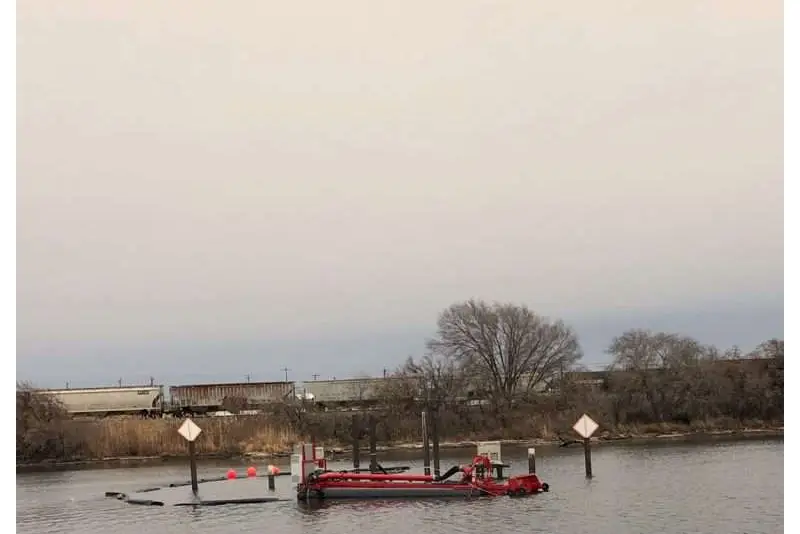
In the mining industry, remote controlled dredges are frequently used in settling ponds to remove tailings and accumulated sediments. These ponds require regular maintenance to remain effective in separating fine particles from water. Using a remote dredge helps ensure consistent operation, while also improving safety by keeping workers away from hazardous materials and unstable ground. Their mobility allows them to work even in small or irregular-shaped ponds.
Wastewater Treatment Lagoons
Remote controlled dredge are effective in wastewater treatment lagoons, where sludge and organic waste collect over time. Manual cleaning can be dangerous and time-consuming. A remote dredge provides a safe and efficient alternative that can continuously operate in live lagoons without interrupting treatment processes. These dredges improve operational efficiency by maintaining optimal lagoon capacity and preventing buildup that could lead to treatment issues.
Marinas and Harbours
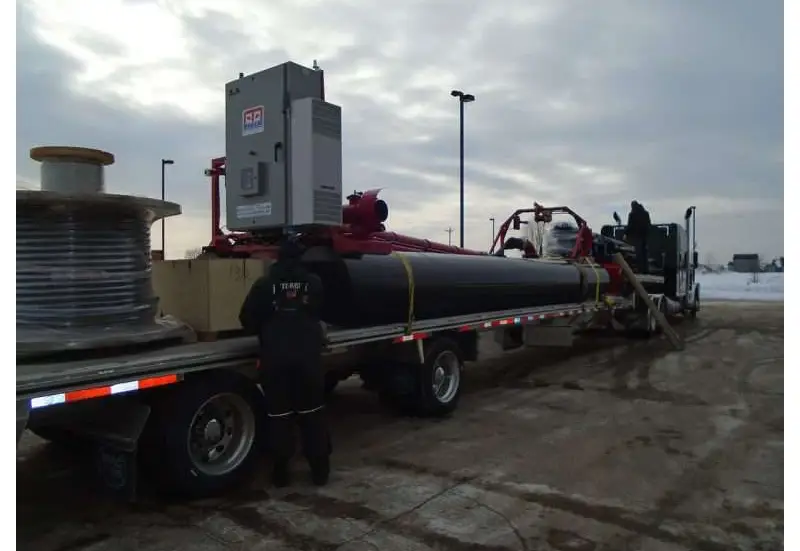
Marinas and small harbours often experience sedimentation that affects boat navigation and mooring depth. A remote controlled dredge can maintain these waterways without the high costs and logistical challenges of large dredging equipment. Their compact design allows for easy deployment in tight spaces between docks and boats, making them a valuable tool for marina operators seeking regular maintenance without disruption.
Golf Course Ponds
Golf courses with water features like ponds or small lakes benefit from remote controlled dredging. Over time, these bodies accumulate organic matter and silt, leading to murky water, foul odors, and mosquito breeding. A remote controlled dredge helps maintain the aesthetic and ecological balance of golf course ponds. Its quiet operation and minimal disturbance are well-suited for such landscaped and high-visibility areas.
Industrial Retention Basins
Industrial sites often use retention basins to control stormwater runoff or manage process water. These basins require periodic cleaning to remove sludge, sand, and chemicals. Deploying a remote controlled dredge ensures that the basin stays functional without exposing workers to potential contaminants. The technology allows for scheduled maintenance in restricted-access areas while minimizing downtime and adhering to environmental compliance requirements.
Canals and Urban Waterways
Urban canals and drainage waterways frequently experience sedimentation from surface runoff and debris. A remote controlled dredge can help manage buildup efficiently in narrow, shallow, or congested areas. These systems are especially useful in cities where access by traditional dredging equipment is limited. Regular use keeps water flowing smoothly, reduces flood risk, and improves urban aesthetics without heavy machinery or road closures.
Agricultural Ponds and Irrigation Channels
In agricultural settings, sediment accumulation in ponds and irrigation channels can reduce water flow and efficiency. A remote controlled dredge can be used to clean these water bodies without interrupting farming operations. The system can operate in narrow or difficult-to-access locations, improving water delivery and storage. This is especially important in regions where water conservation is crucial for crop yields.
Hydro Power Plant Forebays
Hydroelectric plants rely on clear water flow, and sediment buildup in forebays can reduce efficiency and damage turbines. Remote controlled dredges are deployed in these zones to remove silt and debris without stopping power generation. Their precision and autonomy make them perfect for maintaining clean flow channels and extending the lifespan of hydro infrastructure. They are also useful in areas with strong currents where human crews would face danger.
Construction Site Retention Ponds
Temporary retention ponds at construction sites can fill quickly with debris, sediment, and runoff. Remote controlled dredges offer a simple solution for keeping these ponds clear and functional. Their small size and portability mean they can be deployed and removed quickly as construction progresses. This ensures compliance with stormwater regulations while minimizing site disruption and the need for large-scale excavation equipment.
Conclusion
Remote controlled dredges offer flexible and effective solutions for sediment removal across a variety of settings. From lakes and mining ponds to wastewater lagoons and urban waterways, they provide safe, efficient, and low-impact dredging options. Their ability to reach confined, remote, or hazardous locations makes them a valuable asset for industries focused on water management, environmental protection, and operational efficiency.
About Author


