
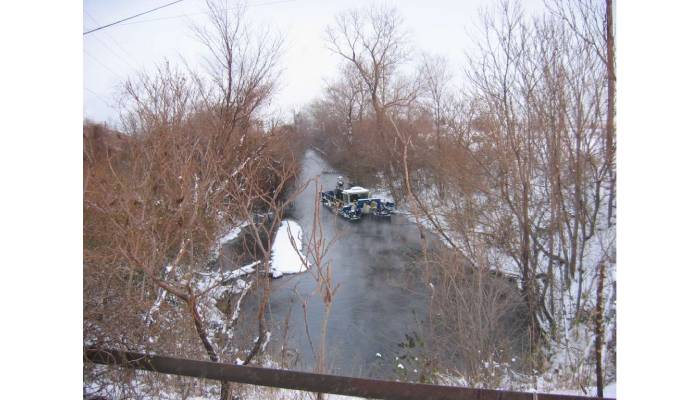
Have you ever looked at a calm canal and wondered how it stays deep, clean, and safe for boats year after year? The answer is regular dredging using a specialized canal dredge. For many project owners, this topic feels technical, but it becomes simple once you break it into clear steps.
A canal dredge is a machine that removes silt, sand, and other sediments from the bottom of a canal. Over time, flowing water brings soil and debris into canals. If this material is not removed, canals become shallow, boats struggle to move, and the risk of flooding increases. Dredging restores the original depth and keeps waterways working well.
In India, this is important for irrigation canals, urban drainage channels, and small ports. Good dredging supports smooth navigation, better flood control, and healthier water flow for agriculture and industry. It also protects public infrastructure and nearby communities.
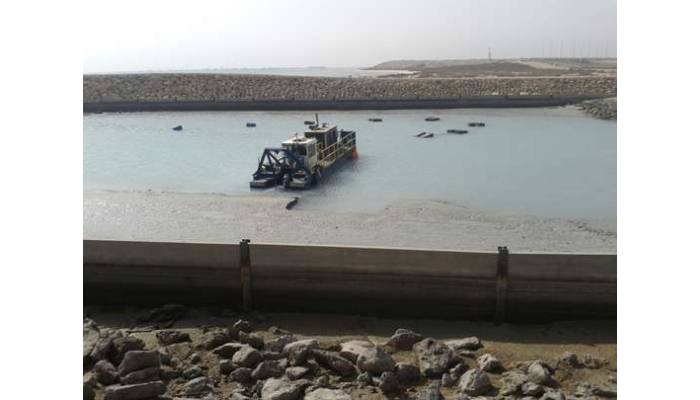
What Is Canal Dredging?
Canal dredging is the process of digging and removing underwater soil and sediment from man-made waterways. The goal is to restore or improve the depth and shape of the canal. This kind of waterway dredging keeps channels open, helps prevent waterlogging, and improves overall canal maintenance.
There are two main methods:
- Mechanical dredging – Uses buckets, grabs, or excavators to scoop up material from the canal bed.
- Hydraulic dredging – Uses pumps to suck up a mixture of water and sediment through pipes, then moves it to a disposal or reuse area.
The right method depends on canal size, type of soil, access to the site, and environmental rules in that region.
Types of Canal Dredge Equipment
Different projects need different dredging tools. Here are some common options you will hear about when you speak with dredging contractors.
Cutter Suction Dredger
A cutter suction dredger is a powerful hydraulic dredging system. It has a rotating cutter head at the front, which loosens hard or compacted soil. A strong pump then sucks this material and sends it through a pipeline to a disposal site or containment pond.
This type is ideal for:
- Long canal stretches where you need consistent depth
- Projects with soft to medium-hard soils
- Situations where you want to place dredged material in a specific, controlled area
Bucket or Excavator-Based Dredgers
Bucket dredgers and excavator systems use mechanical buckets or grabs to lift sediments. They are usually mounted on barges or sometimes work from the canal bank.
These are useful when:
- Access for pipelines is difficult
- You have limited space and need precise sediment removal methods
- The volume of material is moderate, not extremely large
How the Canal Dredging Process Works
Every good project follows a clear step-by-step plan. Here is a simple breakdown.
Survey and Site Assessment
The first step is a detailed hydrographic survey. Engineers measure water depth at many points to map high and low spots. They also study soil samples to understand what type of material needs to be removed and whether it is clean or contaminated.
This helps decide the right canal dredge type, pipeline layout, and disposal plan. It also gives a solid base for cost estimates.
Permits and Environmental Planning
Next comes paperwork and planning. Local authorities may require permissions related to water use, silt disposal, and environmental protection. If the sediment contains pollutants, special rules will apply.
Responsible project teams follow environmental dredging best practices. This can include silt curtains, careful timing of work, and clear communication with nearby communities. For project owners who want more support, working with experts who handle permits and planning every day can save time and stress.
Mobilization and Execution
Once approvals are in place, the contractor moves equipment to the site. This includes the main dredger, booster pumps if needed, pipes, and support boats or vehicles.
The dredging team then:
- Positions the dredger and anchors it safely
- Starts removing sediment along a planned path
- Monitors depth in real time to avoid over- or under-dredging
- Transports material to the agreed disposal or reuse location
Good contractors share daily progress updates, so you always know how much work is done and what remains.
Key Cost Factors for Canal Dredging
Many Indian investors and municipal managers worry about cost. The final price depends on several factors, such as:
- Volume of material – More cubic metres or cubic yards means higher total cost.
- Type of sediment – Soft silt is easier than rock or debris-filled material.
- Access to the site – Narrow or crowded areas need more time and planning.
- Disposal distance – Longer pipeline or haul distance increases fuel and labour costs.
- Permits and testing – Environmental studies and lab tests add to the budget but protect you from future problems.
A transparent contractor will break down these parts and give you clear estimates. This helps you compare proposals fairly and avoid hidden charges.
Environmental Best Practices
Modern canal projects focus on both performance and ecology. Good sediment management protects fish, plants, and nearby land.
Some helpful practices include:
- Testing sediment quality before work begins
- Using silt curtains or barriers where needed to reduce turbidity
- Scheduling work in seasons with lower ecological sensitivity
- Reusing clean dredged material for land improvement or bank strengthening
Following these steps not only protects nature but also builds trust with local communities and regulators.
Real-World Uses of Canal Dredging in India
Across India, canal dredging supports many essential activities. Irrigation canals need regular cleaning so farmers receive timely water supply. Urban storm-water channels benefit from dredging to reduce flooding during monsoon.
Industrial zones and small ports depend on clear navigation channels for barge and boat movement. In tourist areas, clean, deep canals improve safety and visual appeal, which can boost local income from visitors and businesses.
How to Choose the Right Dredging Contractor
Selecting the right partner is as important as choosing the right canal dredge. When you speak with potential vendors, ask:
- What similar canal projects have you completed, and can you share references?
- What type of dredging equipment will you use, and why?
- How do you handle environmental controls and permits?
- What is your plan for unexpected issues like debris or hard rock?
- How will you report daily progress and final results?
Also check for clear contracts, realistic timelines, and strong safety records. A trustworthy contractor will welcome your questions and explain each step in plain language.
Bringing It All Together
A well-planned canal dredging project keeps waterways healthy, reduces flood risk, and supports navigation and agriculture. With the right equipment, careful environmental planning, and an experienced team, results can be fast, effective, and long-lasting.
If you want to dive deeper into solutions and project options, you can explore detailed resources on specialized dredging systems and learn how modern technology makes operations more efficient.
FAQs
1. How often should a canal be dredged?
The ideal frequency depends on how much sediment flows into the canal each year. Busy irrigation or industrial canals may need attention every few years, while low-sediment canals may need major work only once in a decade. Regular depth surveys help you decide the right timing.
2. Can dredged material be reused?
Yes, if the material is clean and tested. Many projects reuse dredged soil for land filling, building embankments, or landscaping. This reduces disposal costs and supports sustainable waterway restoration.
About Author


