

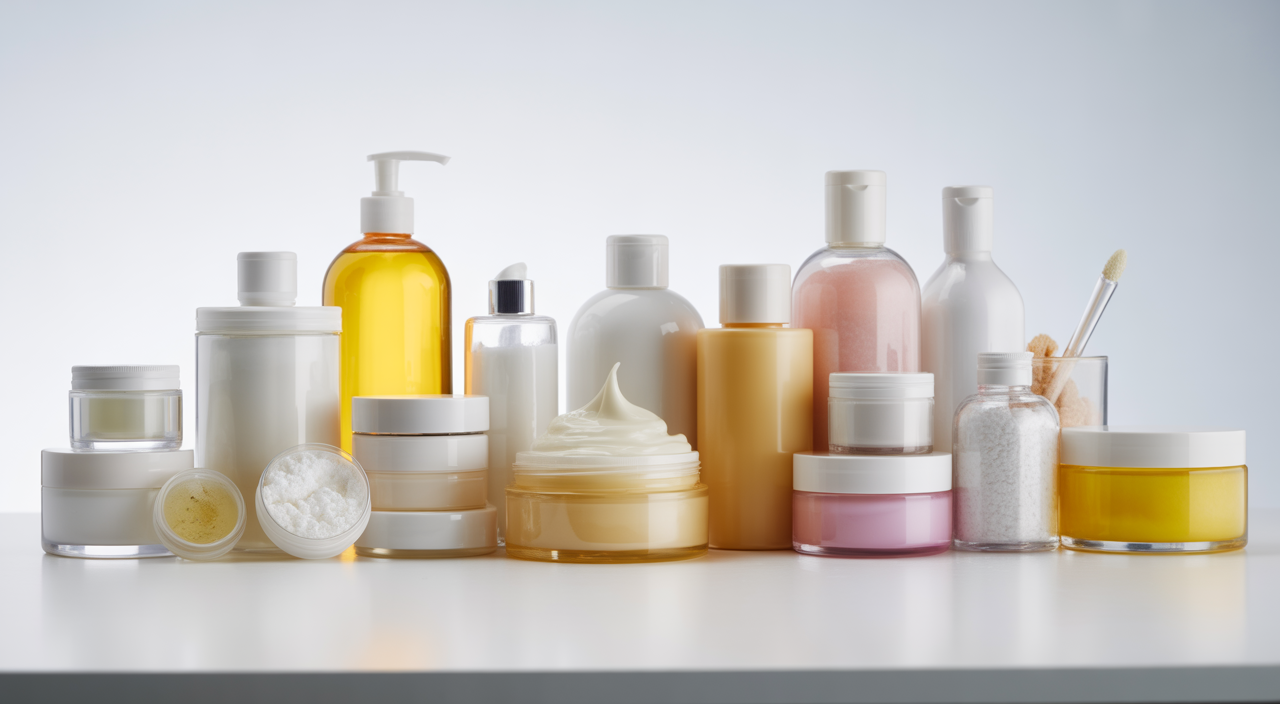
1. What is cosmetic manufacturing?
Cosmetics include products like creams, lotions, shampoos, lipsticks, soaps, and perfumes. They are used on skin, hair, nails, and mouth, mainly to clean, protect, or enhance appearance.
When we talk about cosmetic manufacturing, we mean the entire process of producing these products at scale in a licensed facility. This covers raw material purchase, mixing and filling, quality testing, packing, labeling, and storage.
For Indian investors and entrepreneurs, this sector is very attractive. Demand for personal care and beauty products is rising across metros, Tier 2, and even smaller cities. With the right planning, a compliant unit can become a long-term asset.
2. Why setting up a cosmetic manufacturing unit matters
Owning a unit gives you direct control over product quality. You can choose better ingredients, decide on safe preservatives, and follow strong hygiene practices. This builds long-term trust with your customers.
It also helps with innovation. You can quickly launch new ranges like herbal face washes, gentle baby products, or men’s grooming lines. When the plant is in your control, time from idea to market becomes much shorter.
Finally, there are cost benefits. Once volumes grow, your per-unit cost comes down. You save margins that would otherwise go to third-party manufacturers, and this extra profit can be used for branding and marketing. To strengthen that side, resources like profitable digital marketing for your business can be very useful.
3. Key documents and prerequisites in India
Before starting operations, you must focus on regulatory compliance. Here are important approvals most units require:
- Cosmetics manufacturing license from the State Licensing Authority, for your chosen category (for example, creams, shampoos, or oral care).
- GMP certificate confirming you follow Good Manufacturing Practices, such as clean premises, trained staff, and controlled processes.
- Factory establishment certificate or registration from local industry or labour department.
- NOC from local authorities like municipal body or panchayat regarding building usage and zoning.
- Testing lab accreditation (in-house or tie-up with an external lab) to support cosmetic product safety tests.
- Environmental clearance wherever applicable, especially if your unit has higher water, air, or waste discharge.
You will also need basic plant and machinery in cosmetics, such as mixing vessels, filling machines, labeling machines, and quality testing equipment. The exact list depends on the cosmetic manufacturing process you choose.
4. Validity of major approvals
Most approvals are not lifetime and must be renewed. Here are typical validity ranges in many Indian states (exact timelines vary by state rules):
- Manufacturing license: Usually 3 to 5 years, then renewable on payment of fee and continued compliance.
- GMP certificate: Commonly 1 year, renewable after fresh inspection or audit.
- Factory establishment certificate: Often valid for the life of the plant, unless you change the structure, capacity, or activity.
- Testing lab accreditation: Frequently 2 years, after which re-assessment is needed.
Keeping a simple calendar of expiry dates helps you avoid any gap in validity. Many businesses set reminders 3 to 6 months in advance.
5. Step-by-step process to set up your unit
Starting a unit can feel complex, but it becomes easy when broken into steps.
- Site selection & infrastructure
Choose land or a building in an approved industrial or commercial zone. Plan separate areas for raw materials, production, packing, finished goods, and a small quality control room. Ensure good ventilation, water supply, drainage, and pest control.
- Documentation & application filing
Prepare layout plans, ownership or rent documents, list of machinery, details of technical staff, and product categories. File your license applications and manufacturing unit registration with the relevant authorities.
- GMP audit & inspection
Authorities will visit your site to check cosmetics GMP guidelines, such as cleanliness, record-keeping, and storage conditions. Address any observations quickly and keep proof of corrective actions.
- License issuance
Once the officer is satisfied, you receive a formal license. Check that product categories, address, and responsible technical person’s details are correct.
- Labeling & product registration
Design labels that meet cosmetics labeling requirements, including product name, ingredient list, batch number, MRP, manufacturing and expiry dates, warnings, and manufacturer details. For certain products, separate product approvals or notifications may be required.
- Ongoing compliance & renewals
Maintain batch records, test reports, and complaint registers. Renew licenses on time and keep your plant ready for surprise inspections. Many investors use professional support, just like supplement brands use specialist manufacturing partners for regulated products.
6. Common mistakes to avoid (quick checklist)
Here is a simple checklist you can use while planning and applying:
- [ ] Missing important document attachments, such as layout plans or staff qualification proofs.
- [ ] Ignoring local zoning or building rules, leading to objections from municipal bodies.
- [ ] Skipping a preliminary internal GMP audit before the official inspection.
- [ ] Overlooking environmental permits when water or waste discharge is significant.
- [ ] Mislabeling products, for example, incomplete ingredient lists or wrong claims.
Taking time to double-check these points can save weeks of delay later.
7. What happens if you ignore regulations
Regulatory compliance is not only about paperwork; it protects your business and your customers. Ignoring rules can lead to strong actions from authorities.
- Financial penalties: Depending on the violation, you may face fines that can go up to several lakh rupees.
- Plant closure: Repeated or serious non-compliance can result in suspension of your license or closure orders.
- Product recalls: Unsafe or wrongly labeled products may need to be withdrawn from the market, which hurts your brand image.
- Legal liability: In some cases, directors and responsible officers can be held personally answerable.
Following cosmetic industry regulations from the start is always easier than trying to fix issues under pressure.
8. Cost involved: rough Indian ranges
Actual costs differ by state, city, and plant size. Still, the table below gives a broad idea of regulatory and professional expenses (excluding land, building, and machinery):
Indicative regulatory & service cost ranges (India)
- License fees: INR 10,000 – 25,000 (varies by state and number of product categories).
- GMP certification & audits: INR 50,000 – 1,50,000 depending on facility size and complexity.
- Environmental clearance & related studies: INR 20,000 – 75,000 when applicable.
- Professional service charges (consultants, documentation, liaison): INR 30,000 – 1,00,000 or more based on scope.
Overall, many small to medium units in India keep a budget of around INR 1–5 lakh for permissions and services, apart from investment in the plant itself.
9. How expert partners can support your cosmetic manufacturing journey
Regulatory work can be time-consuming, especially if you are new to the sector. Professional advisors can help you with document preparation, coordinating inspections, and answering queries from authorities.
They also guide you on cosmetic GMP compliance, standard operating procedures, quality systems, and staff training. This makes your unit inspection-ready and helps you scale products smoothly.
For deeper, regulation-heavy details, the official guide linked earlier offers a full breakdown of licensing, documentation, and compliance steps tailored for Indian conditions.
10. Final thoughts for Indian investors
India’s beauty and personal care market is growing strongly, and a well-planned cosmetic manufacturing unit can be a powerful long-term investment. The key is to balance three elements: regulatory compliance, product quality, and strong branding.
Start with a clear roadmap: pick the right location, understand all licenses and their validity, estimate realistic costs, and follow a clean checklist to avoid mistakes. With the basics in place, you are free to focus on what matters most, creating safe, effective, and trusted products for your customers.
FAQs on cosmetic manufacturing in India
Q1. How long does a cosmetic manufacturing license usually last in India?
In many states, a cosmetics manufacturing license is valid for 3 to 5 years. After that, you must apply for renewal, pay the prescribed fee, and show that your unit still follows all regulatory requirements and GMP norms.
Q2. Can I start production before getting GMP certification?
For commercial sale, you should not start full-scale production before meeting GMP standards and receiving approvals. Trial batches for testing under controlled conditions may be allowed, but always confirm the exact position with your state authority or consultant.
Q3. Do small cosmetic units also need environmental clearance?
Many small units with limited waste and emissions may have simpler requirements, but they still need to follow local pollution and waste disposal rules. It is wise to check with the State Pollution Control Board to know if a formal clearance or consent is needed in your category.
Q4. What is the quickest way to get my license approved?
The fastest route is to submit complete, error-free documents, prepare your plant to meet cosmetics GMP guidelines before inspection, respond quickly to any queries, and track your application status regularly. Using experienced regulatory support can further shorten timelines and reduce rework.
About Author


