
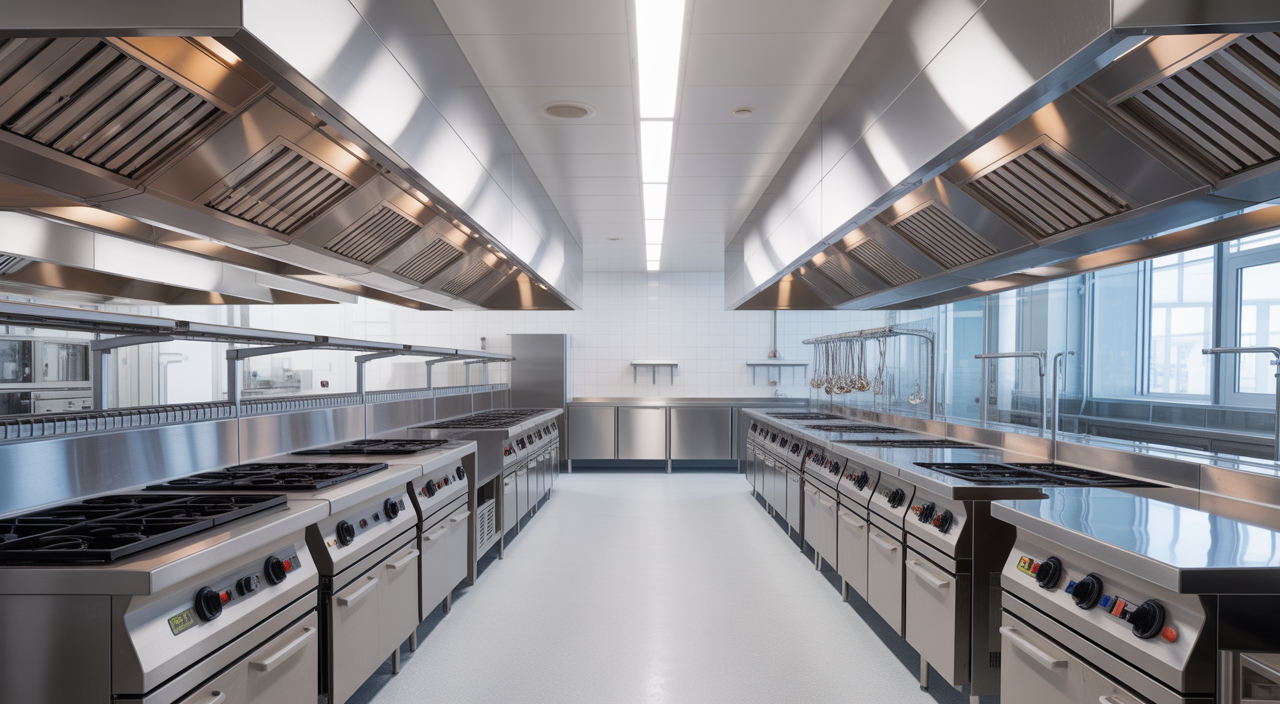
Hospital kitchens are busy, vital places. They tirelessly prepare meals for patients, staff, and visitors, often operating around the clock. But these high-activity areas also come with significant fire risks. Cooking with high heat, oil, and specialized equipment creates a unique environment where a small spark can quickly become a major emergency. This is why having a top-notch hospital kitchen fire suppression service is not just recommended, but absolutely critical. It protects lives, maintains essential operations, and ensures your facility stays compliant with strict safety rules.
A fire in any commercial kitchen is dangerous. In a hospital, the stakes are even higher. Patients may have limited mobility. Evacuation is complex and can be life-threatening for those in critical condition. Any disruption to kitchen services impacts patient care directly. A reliable fire suppression system and consistent service keep everyone safe and your hospital running smoothly.
Why Hospital Kitchens Demand Specialized Fire Suppression
Hospital kitchens are not like typical restaurant kitchens. They have distinct operational demands and heightened safety concerns. These factors mean they need specialized fire suppression solutions. General commercial kitchen systems might not be enough.
Beyond Standard Commercial Kitchens: The Unique Challenges
- 24/7 Operations: Hospital kitchens never truly shut down. This means fire suppression systems must be ready at all times. Maintenance and inspections need careful scheduling to avoid disrupting meal service.
- Patient Vulnerability: Many hospital patients cannot easily evacuate themselves. Smoke and fire spread pose a direct threat to their lives. A rapid, effective suppression system is vital to contain incidents quickly.
- Complex Ventilation: Hospital kitchens often have intricate ventilation and exhaust systems. These systems are designed to handle heavy cooking fumes. However, they can also quickly spread smoke and flames if a fire breaks out.
- Zero Tolerance for Downtime: A hospital cannot stop serving food. Imagine the impact if your kitchen suddenly went offline how would patient care be affected? Any kitchen downtime impacts patient recovery and staff morale. Effective fire suppression helps prevent long closures after an incident.
The Unique Risks
The type of cooking in a hospital kitchen often involves deep-fat fryers, griddles, and high-temperature ovens. These all contribute to specific fire risks.
- Grease Fires: Grease and cooking oil are highly flammable. They can easily ignite and spread rapidly. Standard water extinguishers are ineffective against these fires and can even make them worse.
- Electrical Faults: Modern hospital kitchens use a lot of specialized electrical equipment. Faulty wiring or overheating appliances can trigger electrical fires.
- Impact on Air Quality: Smoke from a kitchen fire can quickly contaminate the air within the hospital. This is a severe health risk for patients with respiratory conditions or compromised immune systems.
Navigating Compliance: NFPA 96 & Other Key Regulations for Healthcare Facilities
Adhering to fire safety regulations is paramount for hospitals. It’s not just about safety; it’s a legal requirement. These regulations ensure that all measures are in place to prevent and control fires effectively. Failing to comply can lead to serious penalties and jeopardize patient safety.
Understanding NFPA 96
The National Fire Protection Association (NFPA) sets the standard for fire safety. NFPA 96: Standard for Ventilation Control and Fire Protection of Commercial Cooking Operations is particularly important for hospital kitchens. It covers everything from exhaust hoods to fire suppression systems. This standard specifies how often systems must be inspected and maintained. It ensures proper design, installation, and ongoing function. Understanding NFPA 96 is the first step to ensuring your kitchen is safe and compliant.
Local & State Fire Codes
Beyond national standards, local and state fire codes also apply. These codes can add specific requirements based on regional conditions or building types. Always check with your local fire marshal. They can provide guidance on any additional rules that impact your hospital kitchen fire suppression service.
Accreditation Bodies
Many hospitals seek accreditation from leading healthcare accreditation organizations. These organizations have stringent fire safety requirements as part of their accreditation process. Meeting these standards is essential for maintaining your hospital’s reputation and operational license. Regular fire safety audits and documentation are often required.
The Cost of Non-Compliance
Ignoring fire safety regulations has serious consequences. These can include hefty fines from regulatory bodies. Non-compliant facilities might face operational shutdowns until issues are resolved. Loss of accreditation can impact funding and public trust. Poor fire safety can also lead to increased insurance premiums. It also places your hospital at significant legal risk if an incident occurs.
Types of Fire Suppression Systems for Hospital Kitchens
Choosing the right fire suppression system is crucial. Hospital kitchens, due to their specific cooking methods, require systems designed to handle grease fires effectively.
Wet Chemical Systems
Wet chemical fire suppression systems are the most common choice for commercial kitchens, including those in hospitals. They are highly effective against grease fires. When activated, these systems release a fine mist of potassium acetate, potassium carbonate, and potassium citrate. This chemical agent quickly cools the flames and creates a foam-like blanket. This blanket prevents oxygen from reaching the fire, effectively putting it out. The chemical also stops the grease from re-igniting, which is a critical safety feature.
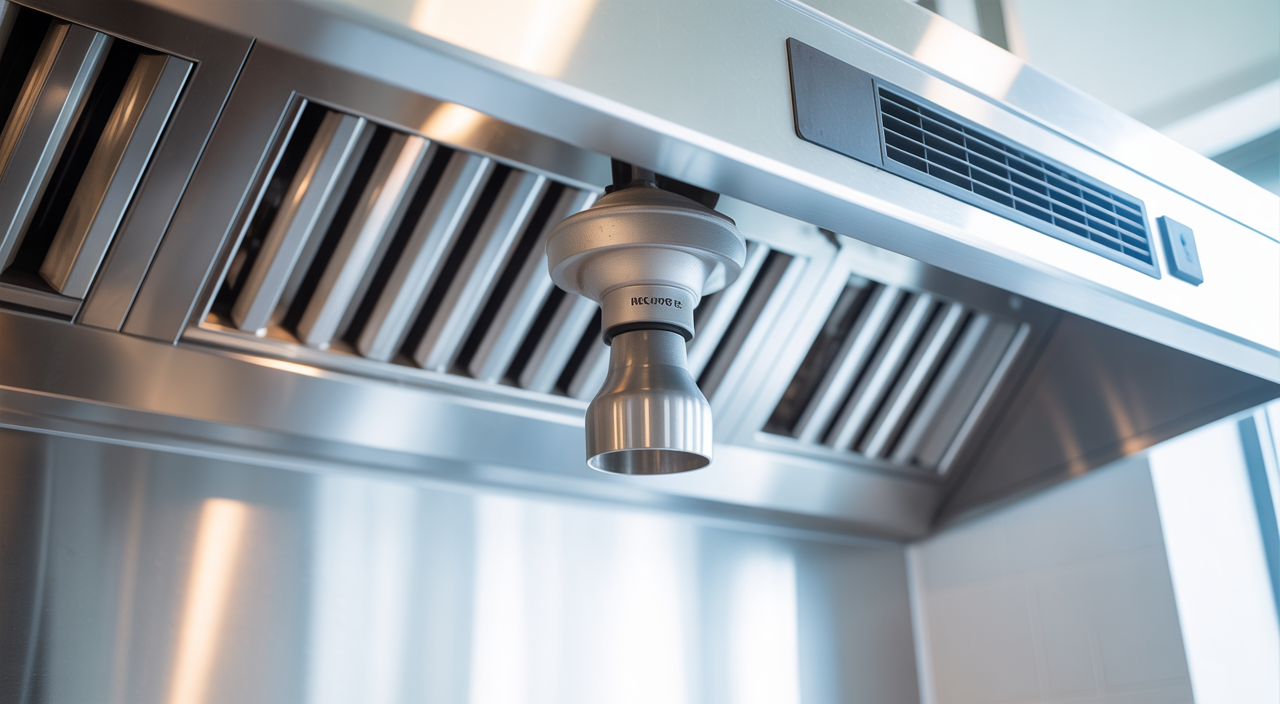
These systems are typically installed above cooking appliances and connected to automatic detectors. They also have manual activation points for immediate use. Regular maintenance of wet chemical systems involves checking the nozzles, agent levels, and activation mechanisms. This ensures they will work perfectly when needed most.
Integrated Solutions
The best fire suppression systems for hospital kitchens integrate several components. This often includes kitchen hood suppression systems. These systems are specifically designed to protect the cooking surface, exhaust hood, and ductwork. They work hand-in-hand with smoke detectors and heat sensors. When a fire is detected, the system automatically activates. It also typically shuts off gas lines and electrical power to the cooking equipment. This integrated approach ensures a rapid and comprehensive response, minimizing damage and risk. When considering such vital protective measures, it is also important to consider how your organization is managing risks effectively across all areas of operations.
The Importance of Professional Hospital Kitchen Fire Suppression Service
Having a fire suppression system installed is only the first step. Ongoing professional service is equally, if not more, important. A system that isn’t properly maintained might fail when you need it most.
Installation & Design
Professional fire suppression service begins with expert installation and design. A qualified technician will assess your kitchen’s specific layout, cooking equipment, and ventilation. They will design a system that offers complete coverage and meets all regulatory requirements. Proper installation ensures the system functions as intended from day one.
Routine Inspections & Testing
Regular inspections and testing are non-negotiable. NFPA 96 mandates semi-annual inspections for kitchen fire suppression systems. During these inspections, technicians check all components: nozzles, detection lines, agent cylinders, and control panels. They also ensure the system is properly charged and operational. These routine checks identify potential issues before they become emergencies. This ensures your professional electrical installation services are also safe and sound within the system.
Preventative Maintenance & Repairs
Beyond inspections, preventative maintenance keeps your system in top condition. This includes cleaning components, replacing worn parts, and addressing any minor repairs. Proactive maintenance helps avoid unexpected failures. It extends the life of your system and ensures constant readiness. This approach saves money in the long run by preventing costly emergency repairs or system overhauls.
Emergency Services
Even with the best preventative care, emergencies can happen. A professional fire suppression service provider offers 24/7 emergency support. If a system activates or malfunctions, you need immediate response. Quick service minimizes downtime and restores your kitchen’s safety. This around-the-clock availability is especially vital for hospitals, which operate non-stop.
Choosing Your Hospital Kitchen Fire Suppression Service Provider
Selecting the right service provider is a critical decision. You need a partner who understands the unique demands of a healthcare environment. Their expertise can make all the difference in an emergency.
Here’s what to look for:
- Certifications & Expertise: Ensure the company and its technicians are certified. Look for certifications from recognized bodies, proving their competence and knowledge of fire safety standards.
- Experience in Healthcare: The provider should have specific experience with hospital kitchens. This shows they understand the unique regulations, operational challenges, and sensitivity of a healthcare setting.
- Comprehensive Service Offerings: Choose a company that offers a full range of services. This includes installation, routine inspections, preventative maintenance, and emergency repairs. A single provider simplifies management.
- Reputation & Responsiveness: Check their reputation. Look for testimonials or references from other healthcare facilities. A good provider is responsive, provides clear communication, and acts quickly when needed.
- Documentation & Reporting: They should provide detailed documentation for all services. This includes inspection reports, maintenance records, and compliance certifications. Accurate records are crucial for audits and accreditation.
Ensure Uninterrupted Safety: Partner with Regency Fire Services
Protecting your hospital kitchen from fire is an investment in safety and operational continuity. It’s about more than just equipment; it’s about peace of mind. For unparalleled expertise in hospital kitchen fire suppression service, discover how Regency Fire Services can protect your facility. Their team understands the critical nature of healthcare environments. They are committed to delivering top-tier service and ensuring your compliance.
Conclusion: Prioritizing Fire Safety for Healthcare Excellence
Hospital kitchens are the unsung heroes of patient care. Keeping them safe from fire is a top priority. A reliable hospital kitchen fire suppression service ensures continuous safety for patients and staff. It also guarantees compliance with vital regulations. Don’t wait for an incident to occur. Proactive fire safety measures are key to healthcare excellence. Contact Regency Fire Services today for a consultation or to schedule your next inspection.
FAQs
Q1: How often do hospital kitchen fire suppression systems need to be inspected?
A: According to NFPA 96 standards, hospital kitchen fire suppression systems typically require inspections every six months (semi-annually). Some local codes or specific circumstances might require more frequent checks. Regular inspections ensure all components are functional and ready to respond in an emergency. This schedule helps identify and fix any issues proactively.
Q2: What makes a professional hospital kitchen fire suppression service unique compared to systems for a regular commercial kitchen?
A: While both require robust suppression, hospital kitchens have heightened considerations. These include 24/7 operation, the extreme vulnerability of patients, complex ventilation that must prevent smoke spread to patient areas, and stringent regulatory compliance from multiple bodies (like NFPA, local fire codes, and accreditation organizations). The need for operational continuity and quick, non-disruptive service is also more critical in a hospital setting.
About Author


