The efficiency of a steam generator boiler is one of its most compelling features, especially in modern industrial settings where energy conservation and cost-effectiveness are paramount. Unlike conventional boilers, which can be less efficient due to their size and extended startup times, steam generator boilers are designed for rapid steam production and high thermal efficiency. They achieve this through advanced combustion technology and optimized heat transfer mechanisms, ensuring minimal energy wastage. This efficiency is crucial for industries that require frequent cycling of steam production, such as food processing, pharmaceuticals, and textiles. By rapidly adjusting to varying steam demands, these boilers help in reducing fuel consumption and operational costs.
Why Choose a Steam Generator Boiler for Your Business Needs?
Choosing a steam generator boiler for your business needs can be a strategic decision influenced by several factors, including space constraints, energy requirements, and operational flexibility. Steam generator boilers are renowned for their compact design, which allows them to fit into smaller spaces compared to traditional boilers. This is particularly advantageous for facilities with limited floor space or those operating in urban environments where real estate costs are high. Additionally, these boilers are known for their rapid startup times, which ensures that steam is available quickly, reducing downtime and improving productivity. Their ability to deliver high-pressure steam efficiently makes them suitable for industries with varying steam demands. Moreover, modern steam generator boilers come equipped with advanced control systems that enhance operational efficiency and safety.
Understanding the Working Principle of a Steam Generator Boiler
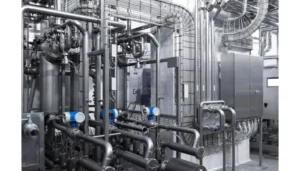
The working principle of a steam generator boiler revolves around its ability to convert water into steam using heat generated from fuel combustion. Unlike traditional boilers, which operate on a large scale with extensive water and steam storage, steam generator boilers are designed to be more compact and efficient. They achieve steam generation through a process known as “flash steam” or “once-through” technology. In this process, water is heated in a high-efficiency heat exchanger, where it is rapidly converted into steam. The steam generator boiler typically features a small, high-pressure vessel where water is subjected to intense heat, causing it to evaporate quickly. This method allows for the production of high-quality steam at varying pressures and temperatures, depending on the application requirements. The efficiency of this process is enhanced by advanced control systems that regulate fuel and water supply, ensuring optimal performance and minimizing energy waste.
Steam Generator Boiler vs. Traditional Boilers: Which is Better?
When comparing steam generator boilers to traditional boilers, several key differences emerge that highlight the advantages of each system depending on the application. Steam generator boilers are generally more compact and efficient, making them suitable for industries where space is at a premium and where there is a need for quick steam generation. They have shorter startup times and are designed to operate effectively at high pressures, which can lead to significant energy savings and reduced operational costs. On the other hand, traditional boilers, with their larger capacity and extended water and steam storage, are often better suited for applications requiring a constant and large volume of steam. They are typically used in power plants and large industrial operations where space is less of a constraint. The choice between a steam generator boiler and a traditional boiler largely depends on factors such as space availability, steam demand, and energy efficiency requirements.
Top Benefits of Using a Steam Generator Boiler for Industrial Processes
The benefits of using a steam generator boiler for industrial processes are manifold, particularly in applications where efficiency, space, and operational flexibility are critical. One of the primary advantages is the compact size of the steam generator boiler, which allows it to fit into smaller spaces, thereby reducing the overall footprint of the heating system. This is particularly beneficial in facilities with limited space or in industries where floor area is at a premium. Additionally, steam generator boilers offer rapid startup times, which means they can quickly meet fluctuating steam demands and reduce downtime. This operational flexibility is enhanced by their ability to produce high-pressure steam efficiently, leading to improved productivity and cost savings. Furthermore, modern steam generator boilers are equipped with advanced control systems that ensure precise temperature regulation and efficient fuel use, contributing to lower energy consumption and reduced environmental impact.
Maintenance Tips to Keep Your Steam Generator Boiler Running Smoothly
Proper maintenance is crucial for ensuring the smooth operation and longevity of a steam generator boiler. Regular maintenance helps in preventing unexpected breakdowns, optimizing performance, and extending the life of the equipment. One of the key maintenance tasks is to perform routine inspections of the boiler’s components, including the heat exchanger, water feed system, and control systems. This involves checking for signs of wear and tear, leaks, or corrosion. Additionally, maintaining the water quality is essential to prevent scaling and fouling, which can impair heat transfer and efficiency. Regularly cleaning the boiler and its associated equipment helps in removing any deposits that could affect performance.
How to Choose the Right Steam Generator Boiler for Your Facility?
Choosing the right steam generator boiler for your facility involves evaluating several factors to ensure it meets your specific operational needs and efficiency requirements. Start by assessing your steam demand, including the volume and pressure required, as this will determine the size and capacity of the boiler needed. Consider the available space in your facility, as steam generator boilers are known for their compact design, which is beneficial in space-constrained environments. Evaluate the fuel type that is most economical and readily available for your operation, whether it’s natural gas, oil, or electricity. Additionally, examine the boiler’s efficiency ratings and energy-saving features, as well as its compatibility with existing systems. Reviewing manufacturer specifications and seeking recommendations from industry experts can also help in making an informed decision.
Boosting Energy Efficiency with a Modern Steam Generator Boiler
Boosting energy efficiency with a modern steam generator boiler involves leveraging advanced technologies and design features that optimize fuel use and reduce energy consumption. Modern steam generator boilers are equipped with high-efficiency heat exchangers, which enhance heat transfer and minimize energy loss. Additionally, they often incorporate sophisticated control systems that allow for precise regulation of temperature and pressure, ensuring that the boiler operates at peak efficiency. Utilizing energy recovery systems, such as economizers or combined heat and power (CHP) units, can further improve efficiency by capturing and reusing waste heat.
Conclusion
In conclusion, steam generator boilers represent a significant advancement in industrial heating technology, offering numerous advantages over traditional boiler systems. Their compact design, rapid startup times, and high-efficiency performance make them ideal for applications where space is limited and steam demand is variable. Understanding the working principle of these boilers, along with their benefits and maintenance requirements, is essential for optimizing their use and ensuring reliable operation. When choosing a steam generator boiler, it is important to consider factors such as steam demand, space constraints, and fuel type to find the best fit for your facility.
About Author