
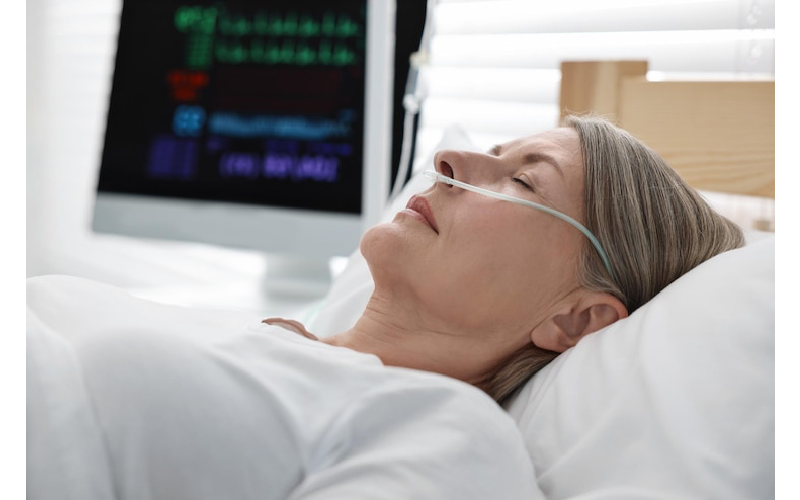
If you’re feeling persistently tired throughout the day, despite getting enough sleep, it may be worth considering a home sleep apnea test. Loud and chronic snoring is another sign to look out for, as it often accompanies breathing interruptions during sleep. Furthermore, if your partner has noticed you gasping or snorting while you snooze, this could indicate an issue. Frequent awakenings at night and excessive daytime sleepiness are also red flags suggesting possible sleep apnea. Individuals who are overweight or those working irregular hours may have disrupted sleep patterns too. If any of these signs resonate with you, consulting a healthcare professional is advisable for proper evaluation and potential testing.
1. Persistent Fatigue and Sleepiness
Feeling persistently tired during the day, even after a full night’s sleep, can be a clear sign of an underlying issue like sleep apnea. Many people might find themselves struggling to concentrate or to maintain their focus, as fatigue takes hold. You may experience a sense of lethargy that just won’t seem to fade, even after resting. This constant tiredness can lead to increased irritability or mood swings, making daily interactions more challenging.
It can also sap your motivation, causing you to neglect hobbies or responsibilities that you once enjoyed. Frequent headaches may arise as a result of disrupted sleep patterns, leaving you feeling unrefreshed when you wake up. If you notice inconsistent energy levels, swinging between moments of alertness and periods of exhaustion, it might be time to consider a sleep assessment. Many individuals find themselves relying on caffeine or other stimulants to power through the day, a temporary fix that doesn’t address the root problem. If you consistently feel like you’re dragging through your day, or if tiredness is affecting your social life or work commitments, these could be strong indicators of sleep issues that warrant further investigation.

2. Loud and Chronic Snoring
Loud and persistent snoring can be more than just a nuisance; it often signals underlying issues, including sleep apnea. If your snoring is loud enough to disturb others in your household, it’s time to take notice. You might find that your snoring patterns worsen over time, becoming more frequent or intense, which can be a clear indicator that something is amiss. It’s particularly concerning if your partner reports hearing gasping or choking sounds during your sleep, as these can be signs of interrupted breathing.
Interestingly, the position you sleep in can also influence your snoring. If you notice that you snore regardless of whether you’re on your back or side, this could further point to a sleep disorder. Even if you’ve tried positional changes or various devices to mitigate your snoring, if these attempts have been unsuccessful, it may be time to seek further evaluation.
Moreover, if you wake up with a dry throat, it may be due to mouth breathing caused by snoring. Increased snoring during allergy seasons or when you’re unwell can also suggest that your airways are compromised. A family history of snoring or sleep apnea can heighten your risk, and identifying triggers, such as alcohol consumption or nasal congestion, that exacerbate your snoring is essential. Paying attention to these signs can help you determine if an at-home sleep apnea test is the next step in addressing your sleep concerns.
- Snoring that is loud enough to disturb others in the same household.
- Noticing snoring patterns that worsen over time.
- Snoring accompanied by gasping or choking sounds during sleep.
- A partner reporting that your snoring has become more frequent or intense.
- Snoring that occurs in various sleeping positions, including on your back.
- Previous attempts to mitigate snoring with positional changes or devices.
- Awakening with a dry throat, possibly due to mouth breathing caused by snoring.
- Increased snoring during allergy seasons or when sick.
- Family history of snoring or sleep apnoea issues.
3. Breathing Interruptions During Sleep
Experiencing breathing interruptions during sleep can be a significant indicator of sleep apnea. Common signs include episodes where you feel breathless or struggle to breathe, often waking up suddenly gasping for air or feeling choked. If your partner has mentioned that you stop breathing during the night, this should not be overlooked. Some may notice irregular breathing patterns, such as alternating between shallow and deep breaths. These irregularities can lead to feelings of anxiety or restlessness, making it difficult to enjoy a peaceful night’s sleep. Additionally, if you find yourself frequently waking to use the bathroom, it could be linked to breathing difficulties that disrupt your sleep. Unusual symptoms like night sweats or problems with temperature regulation while sleeping may also suggest an underlying issue. If you have a history of asthma or other respiratory conditions, managing your sleep becomes even more crucial. Relying on nasal sprays or other treatments that fail to improve your sleep may signal a need for further evaluation. Keeping a sleep diary can be very helpful, allowing you to track your breathing patterns and disturbances, ultimately guiding you towards seeking a proper assessment.
4. Frequent Nighttime Awakening
Waking up multiple times during the night can be a frustrating experience, especially if you do not understand why it is happening. Many people find themselves awake without a clear reason, often struggling to return to sleep. This can lead to feelings of disorientation and confusion, particularly if you awaken during specific sleep cycles. If you notice that you are aware of the time each time you wake, it may indicate that your sleep is significantly disrupted.
Anxiety or stress can also accompany these awakenings, further affecting your overall sleep quality. Additionally, using electronics late into the night might contribute to this problem, as the blue light emitted can interfere with your ability to fall and stay asleep. Changes in your sleep environment, such as unexpected noise or uncomfortable temperatures, can exacerbate the issue.
Discussing your sleep patterns with a partner can provide valuable insights, as they may have observed behaviours such as snoring or gasping that you are unaware of. By recognising these signs, you can take the first steps towards seeking a solution, possibly through an at-home sleep apnea test.
5. Daytime Sleepiness
Daytime sleepiness can be a significant indicator of sleep apnea. If you find yourself feeling drowsy during work hours or struggling to stay awake while engaging in everyday activities, it could be a sign that something is amiss. You might notice difficulty keeping your eyes open during meetings or lectures, and perhaps you even experience microsleeps, those brief moments when you drift off without realising it. Relying on naps to get through the day might seem like a quick fix, but it often points to an underlying issue with your nighttime rest.
You may also find yourself yawning frequently, a clear signal that your body is not getting the rest it needs. Waking up in the morning could feel challenging, leading to late starts and a chaotic day ahead. If others comment on how tired or sleepy you appear, it’s worth considering their observations seriously. Mood disturbances, such as irritability or lack of motivation, can also be linked to excessive daytime sleepiness. If you notice yourself reaching for more caffeine to fend off fatigue, or if your reaction times and decision-making seem slower than usual, it might be time to look into getting an at-home sleep apnea test. Recognising these symptoms early can be crucial in addressing potential sleep issues.
6. Reported Symptoms by Sleep Partner
Feedback from a sleep partner can be a vital indicator of potential sleep issues. If your partner mentions that you snore loudly or gasp for air during the night, these observations can be crucial in identifying sleep apnea. Sometimes, partners notice changes in your sleep behaviour that you may not be aware of, such as frequent movements or unusual breathing patterns. Maintaining open communication about these disturbances can lead to seeking solutions together, whether it be through lifestyle changes or consultations with healthcare professionals. Additionally, using sleep tracking devices can provide insights into your sleep quality, which can help both you and your partner understand the impact of your sleep issues on their rest. If your partner expresses concern for your health due to these observed symptoms, it may be time to consider an at-home sleep study. Recognising that shared sleep experiences can highlight issues that often go unnoticed is important for both partners’ well-being.
7. Weight Concerns
Being overweight or obese is a significant risk factor for sleep apnea. If you’ve noticed weight gain alongside sleep disturbances, it may be worth exploring this connection further. Consulting with healthcare providers can help you understand how weight management relates to your sleep patterns. Research indicates that losing weight may improve sleep quality and overall health, making it a critical area to address.
The way your body distributes weight can also impact breathing during sleep; for instance, excess weight around the neck can obstruct airways. Participating in weight loss programmes that encourage healthy habits, such as a balanced diet and regular exercise, can lead to improvements not only in weight but also in sleep quality. Keeping track of your weight changes along with your sleep patterns can provide valuable insights into the effectiveness of your efforts.
Additionally, emotional eating can play a role in both weight gain and sleep quality. Recognising these patterns is essential. It’s important to consider that sleep is not only a consequence of weight management but can also be a contributing factor. Poor sleep can lead to weight gain, creating a cycle that is difficult to break.
8. Irregular Sleep Patterns or Shift Work
For those working non-traditional hours, maintaining a consistent sleep schedule can be quite the challenge. Shift work often leads to feeling more alert at night while struggling with sleepiness during the day. This disruption can make it hard to enjoy restful sleep, causing fatigue even on days off when you might expect to catch up on rest.
Improving sleep hygiene becomes essential in such cases. Techniques like creating a dark, cool sleeping environment can mitigate the negative effects of light exposure. Some people find that using sleep aids, such as melatonin, helps regulate their sleep cycles and promotes better rest. Keeping a sleep diary can also be beneficial, allowing you to track patterns and identify what might be disrupting your sleep.
Consulting with sleep specialists is advisable for those experiencing significant issues. They can provide insights on managing sleep disorders related to shift work, helping you make necessary lifestyle adjustments. Recognising the importance of sleep consistency is crucial for overall health, especially when your work hours vary widely.
10. Additional Considerations
While at-home sleep apnea tests offer convenience and can provide valuable insights into breathing patterns during sleep, they do have limitations. These tests primarily focus on respiratory issues and might not capture other sleep disorders, such as insomnia or restless legs syndrome. If you find that your symptoms persist, it could be worth consulting with a sleep specialist for a more comprehensive evaluation.
In addition to testing, lifestyle changes can play a significant role in improving sleep quality. Simple adjustments, such as a balanced diet and regular exercise, can help facilitate better rest. Furthermore, mental health is closely linked to sleep; if you’re feeling anxious or depressed, seeking support could also enhance your sleep experience.
Medications can influence sleep patterns too, so discussing any prescriptions with your doctor is essential. If you’re considering sleep aids or relaxation techniques, be sure to approach these with caution and consult a healthcare provider to find the best options for your situation.
Environmental factors should not be overlooked either. Reducing noise and light in your sleep environment can make a considerable difference. Lastly, exploring alternative therapies, like cognitive behavioural therapy for insomnia, might also be beneficial. Keeping an open line of communication with your healthcare provider about your sleep concerns ensures you’re taking informed steps towards improving your overall sleep health.
11. Consultation with Healthcare Provider
Discussing your symptoms openly with a healthcare provider is a crucial step in addressing potential sleep apnea. It is important to provide a detailed history of your sleep patterns, including how long you sleep and the quality of that sleep. Make sure to mention any associated symptoms such as daytime sleepiness, mood changes, or difficulty concentrating, as these can be significant indicators of sleep disorders.
Additionally, inquire about any family history of sleep disorders, since genetics can influence your risk of developing sleep apnea. Consider discussing lifestyle factors that might impact your sleep quality, such as weight, smoking habits, or alcohol consumption. This holistic view helps your provider understand your situation better.
Don’t hesitate to ask about the types of tests available for diagnosing sleep apnea, particularly at-home options. Understanding the benefits and limitations of various testing methods is essential for making informed decisions about your health. Be prepared to answer questions related to your overall health and any other conditions you may have, as this information will guide your provider in their assessment.
If a diagnosis is made, consider discussing treatment options, which may range from lifestyle changes to devices like CPAP. Lastly, follow up on any referrals to sleep specialists if necessary to ensure a comprehensive approach to your care.
12. Follow-Up and Further Testing
If the results of your at-home sleep apnea test are unclear or your symptoms persist, further testing may be necessary. In-lab sleep studies can provide a more detailed understanding of your sleep stages and breathing patterns, which can be crucial for a precise diagnosis. It is advisable to discuss what to expect during your follow-up appointment with your doctor, including any additional assessments that may be required. Keeping a sleep diary can be beneficial, as it allows you to track your symptoms and experiences, which can be shared during these visits.
Based on your test results, your doctor may discuss potential treatments, such as continuous positive airway pressure (CPAP) therapy, which is commonly prescribed for sleep apnea. In addition, exploring lifestyle changes like weight loss, dietary adjustments, and sleep hygiene practises can help alleviate symptoms. Do not overlook the psychological aspects of sleep disorders, as they can significantly impact your overall health.
Inquire about support groups or resources available for individuals diagnosed with sleep apnea, as connecting with others can provide valuable insights and encouragement. Staying informed about ongoing research or advancements in sleep apnea treatments is also essential. Regular follow-ups with your healthcare provider can help monitor your condition and make necessary adjustments to your treatment plan.
Frequently Asked Questions
1. What are the common signs that I might have sleep apnea?
Common signs include loud snoring, feeling very tired during the day, and waking up with a dry mouth or headache.
2. How can I tell if my sleep patterns are affected by sleep apnea?
If you frequently wake up throughout the night or feel like you aren’t getting restful sleep, it could indicate sleep apnea.
3. What is an at-home sleep apnea test, and how does it work?
An at-home sleep apnea test is a device you use while you sleep at home to monitor your breathing patterns and oxygen levels.
4. Is it important to get diagnosed if I suspect I have sleep apnea?
Yes, it is important to get diagnosed, as untreated sleep apnea can lead to serious health issues like high blood pressure and heart problems.
5. Can sleep apnea affect my daily life and health significantly?
Yes, sleep apnea can lead to fatigue, concentration issues, and increased risk of heart disease if not treated.
TL;DR If you experience persistent fatigue, loud snoring, breathing interruptions during sleep, frequent awakenings, or excessive daytime sleepiness, you may need an at-home sleep apnea test. Additional signs include feedback from a sleep partner, weight concerns, and irregular sleep patterns. Consulting a healthcare provider is crucial for proper evaluation and potential further testing.
Resource Url:
https://en.wikipedia.org/wiki/Sleep_apnea
https://canadiancpapequipment.ca/pages/get-your-at-home-sleep-apnea-test
About Author


