
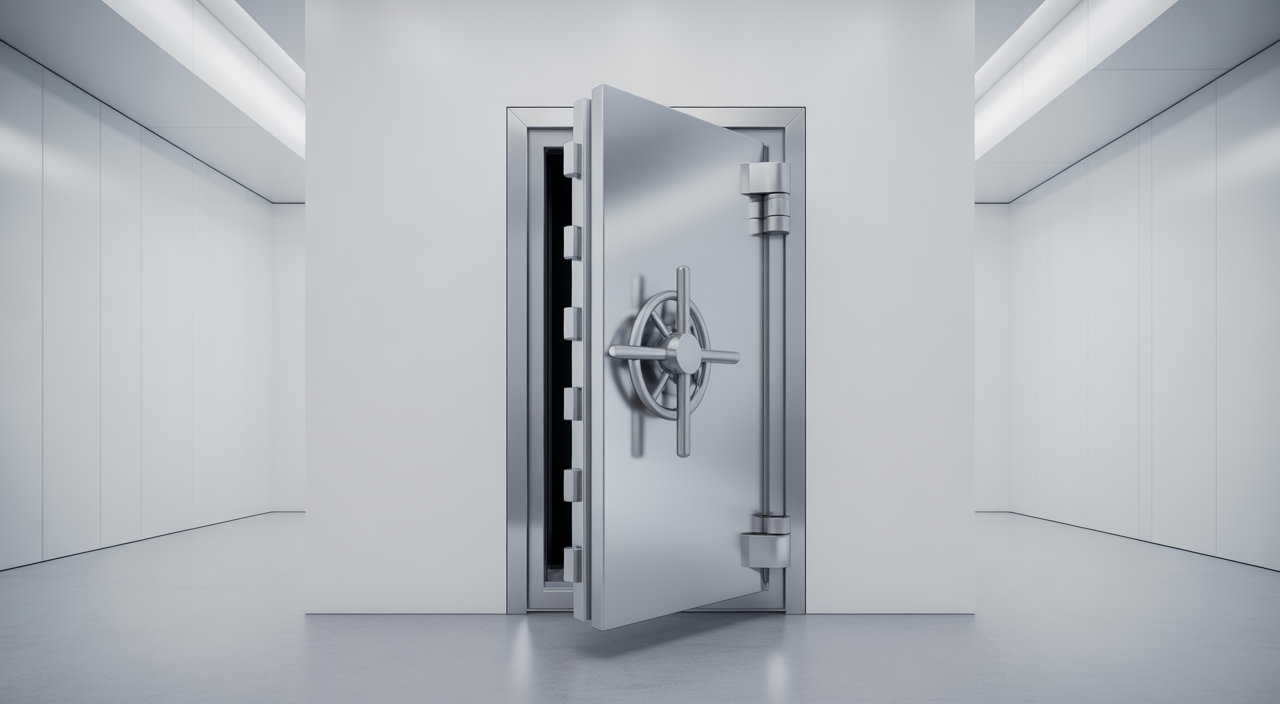
Do you ever wonder how to truly protect your home and family from unexpected dangers? In today’s world, feeling safe at home is more important than ever. Whether it’s the threat of severe weather, a home invasion, or other emergencies, having a secure sanctuary can provide immense peace of mind. This is where residential safe rooms come into play.
A safe room is a specially designed and constructed space within your home. It’s built to withstand extreme threats, offering a secure refuge when you need it most. While the entire room’s construction is vital, the security of its door is arguably the most critical component. It is the main point of entry, and therefore, the primary line of defense.
What Are Residential Safe Rooms & Why Do You Need One?
Defining the Sanctuary: More Than Just a Room
A safe room is far more than just an ordinary room. It’s a “hardened” space, engineered to resist threats that a regular room cannot. Think of it as a fortified bunker, built directly into your home’s structure. It offers a designated area where you can shelter securely.
These rooms are designed with specific threats in mind. They use robust materials and construction methods to ensure superior protection. This makes them different from a typical basement or a reinforced closet.
The Modern Necessity: Threats a Safe Room Addresses
There are many reasons homeowners choose to build a safe room. They provide a high level of personal protection against various dangers.
- Intruder Protection: In a home invasion or active threat situation, a safe room offers a secure place to retreat. You can lock yourself and your loved ones inside, buying precious time to contact emergency services or await help.
- Natural Disasters: For those living in areas prone to tornadoes, hurricanes, or even earthquakes, a safe room can serve as a life-saving storm shelter. These rooms are often built to strict government guidelines, like those from FEMA, to withstand extreme wind forces and flying debris.
- Civil Unrest & Emergency Preparedness: In broader emergencies, having a secure spot can be crucial. It’s a place to consolidate your family and essential supplies.
- Protection of Valuables: Beyond personal safety, safe rooms offer a secure space for your most valuable possessions. You can store important documents, jewelry, firearms, or other irreplaceable items.
The Psychological Benefit: Ultimate Peace of Mind
Knowing you have a safe place to go dramatically reduces anxiety. It offers a sense of control and security in an uncertain world. This peace of mind is invaluable for you and your family.
Anatomy of Protection: Key Components of a Residential Safe Room
A truly effective safe room relies on several integrated components working together. Each part contributes to the overall strength and security of the space.
Reinforced Walls, Ceilings, and Floors
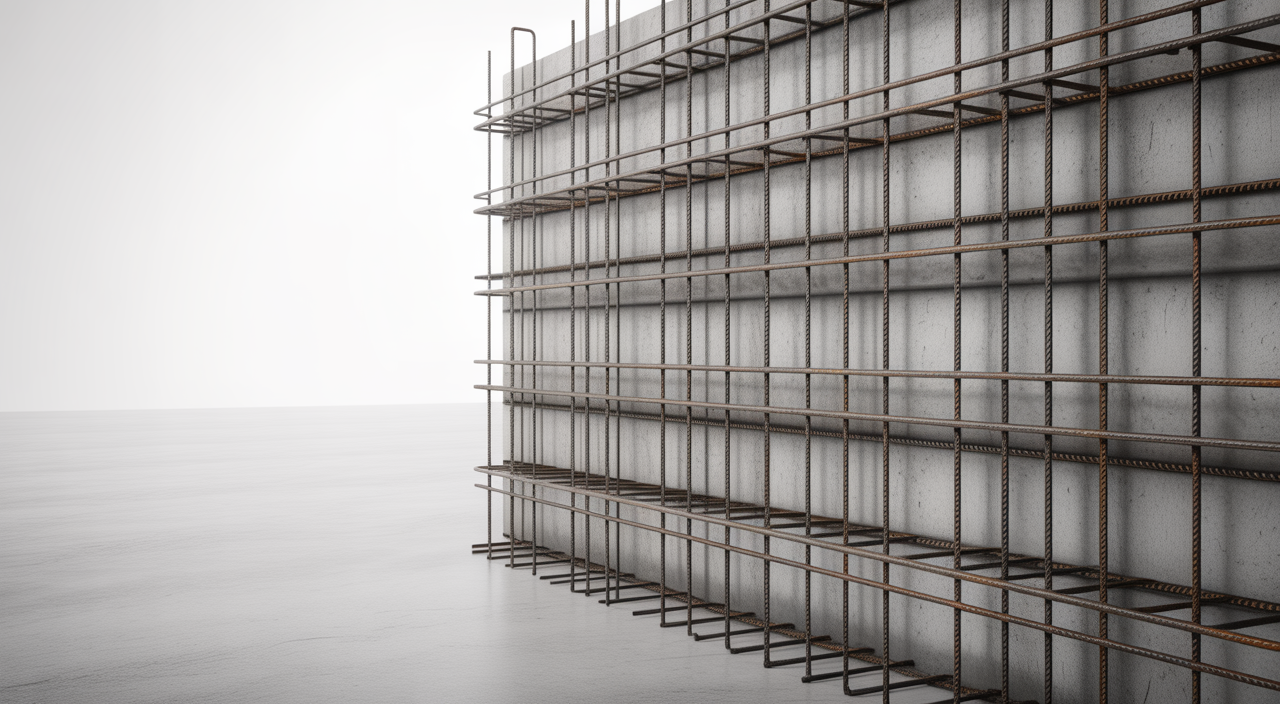
The core of a safe room’s strength comes from its structure. Walls, ceilings, and floors are typically reinforced with concrete, steel plating, or other impact-resistant materials. This prevents penetration and collapse during extreme events.
Ventilation & Communication Systems
For comfort and safety during prolonged stays, proper ventilation is essential. This often includes secure air filtration systems. Communication devices, like landline phones or satellite communicators, ensure you can reach outside help, even if cell service is down.
The Unsung Hero: Why Your Safe Room Door is the Most Critical Component
While reinforced walls are crucial, the entrance point to any of these residential safe rooms, its dedicated safe room door, is where vulnerabilities often lie. An ordinary door, no matter how thick, cannot withstand the forces or attacks a safe room is designed to resist. The door must match or exceed the structural strength of the surrounding room.
If the door is compromised, the entire safe room becomes ineffective. This is why investing in a high-quality, purpose-built safe room door is non-negotiable for true security.
Decoding the Door: Types of High-Security Safe Room Doors
Understanding the different types of high-security safe room doors helps you choose the right level of protection for your needs.
The Foundation: Steel Safe Room Doors
Steel is a common and highly effective material for safe room doors. These doors are constructed from thick, heavy-gauge steel, often with internal reinforcement. This provides excellent resistance against forced entry attempts and ballistic threats.
The material composition and thickness are crucial. Thicker steel and multi-layered designs offer enhanced protection against various impacts and tools.
Unbreachable Fortresses: Residential Vault Doors
Residential vault doors offer an even higher level of security. They are designed like bank vault doors, featuring complex, multi-point locking mechanisms. These locks engage at several points around the door frame, making them incredibly difficult to breach.
Many vault doors also include relockers. These are internal devices that permanently lock the door if the primary lock is attacked. Such doors can also be seamlessly integrated into your home’s design, appearing as a standard doorway until security is activated.
Bulletproof Protection: Ballistic Rated Safe Room Doors
For threats involving firearms, ballistic rated safe room doors are necessary. These doors are tested and certified to withstand specific calibers of bullets. Their ballistic ratings, often defined by standards like UL levels, indicate the level of protection they offer.
Specialized materials, such as composite layers and hardened steel, are used in their construction. This allows them to absorb or deflect high-velocity projectiles.
Weathering the Storm: Tornado Safe Room Doors (FEMA Compliant)
When protecting against natural disasters, doors designed to FEMA 361 or ICC 500 standards are vital. These standards ensure the door can withstand extreme wind loads and impacts from flying debris, such as a 15-pound 2×4 traveling at 100 mph.
Such doors feature robust frames and secure anchoring systems. They prevent the door from being blown inward or outward during a severe storm.
Custom Safe Room Doors: Blending Security with Style
Security doesn’t have to mean an unsightly steel slab. Many manufacturers offer custom safe room doors. These can blend seamlessly with your home’s existing architecture and interior design.
You can choose from various finishes, veneers, and hidden hinge designs. This allows your safe room to remain discreet while providing ultimate protection.
Choosing Your Armor: Key Features to Look for in a Safe Room Door
Selecting the right door involves considering several important features.
- Material & Thickness: Look for heavy-gauge steel or advanced composite materials. The thicker the material, generally the more robust the protection.
- Locking Mechanisms: Multi-point locks, electronic keypads, or even biometric systems offer superior security. Mechanical vault handles provide reliable operation.
- Frame & Hinges: The door frame must be as strong as the door itself. Seek heavy-duty, continuous hinges that cannot be easily cut or removed.
- Ballistic & Forced Entry Ratings: Understand what certifications the door carries. UL or ASTM ratings indicate independent testing for resistance to bullets or forced entry tools.
- Fire Rating: An often-overlooked but crucial feature is a fire-rated door. This can protect occupants and contents from fire for a specified period.
- Customization & Aesthetics: Consider how the door will fit with your home’s design. Custom options allow for a perfect blend of security and visual appeal.
Installation & Integration: The Professional Advantage
Why Expert Installation is Non-Negotiable
Even the strongest door is only as good as its installation. Professional installation ensures the door’s frame is properly anchored and integrated into the safe room’s reinforced structure. Mistakes during installation can create weak points, compromising the entire system.
An expert understands the complex requirements for high-security doors. They ensure every bolt and weld contributes to maximum safety.
Common Installation Challenges & Solutions
Proper anchoring and wall integration are paramount. The door frame must be securely tied into the reinforced walls, preventing it from being pried open or forced inward. Specialized fasteners and welding techniques are often used to achieve this.
Working with professionals who have experience in maximizing project success with design-build services can simplify this complex process. They ensure all elements, including the door, are perfectly integrated.
Maintenance Tips for Your High-Security Door
High-security doors are built to last, but regular maintenance ensures their long-term function. Keep locking mechanisms clean and lubricated. Check hinges for wear and tear. Inspect seals around the door for any damage. For any issues with electrical components, remember the importance of professional electrical installation services for repairs.
Investing in Your Family’s Safety: What to Expect
Cost Considerations
The cost of a residential safe room varies widely. Factors include its size, materials, chosen security features, and especially the type of high-security door. While it is a significant investment, it’s one in life safety and asset protection.
Long-Term Value
Beyond the immediate security benefits, a safe room can add value to your property. It provides an undeniable appeal to future buyers prioritizing safety. Most importantly, it offers enduring peace of mind for your family for many years to come.
Conclusion: Secure Your Sanctuary with the Right Safe Room Door
Residential safe rooms offer an unmatched level of protection against a variety of threats. They provide a crucial sanctuary for your family and valuables. Remember, the true strength of any safe room hinges on the quality and integrity of its door.
Choosing a robust, high-security safe room door is not just an option; it’s a necessity. It ensures that your hardened space remains uncompromised when you need it most. Prioritize professional consultation and specialized door solutions to create your ultimate secure sanctuary.
Frequently Asked Questions About Safe Rooms
Q1: How long can someone typically stay in a residential safe room?
The duration depends on the safe room’s design and amenities. Most are built for short-term refuge, from a few hours to a few days. Factors like ventilation, water, and food storage, along with communication systems, dictate how long it can comfortably and safely be occupied.
Q2: Can I build a safe room into an existing part of my home?
Yes, it’s often possible to convert an existing space like a closet or pantry into a safe room. However, this requires significant structural modifications to reinforce walls, floors, and ceilings. Crucially, it involves installing a certified high-security safe room door and frame to match the fortified structure.
About Author


