Setting up a photography studio can be an exciting yet daunting task for beginners. This guide aims to provide essential insights into establishing a functional and inspiring space for capturing stunning images. From selecting the perfect location to understanding necessary equipment and budgeting wisely, we'll cover the fundamental aspects to help you start on the right foot. By mastering lighting techniques, organizing your gear, and creating a professional backdrop, you'll be well on your way to running a successful photography studio that meets your creative needs and professional aspirations.
Choosing The Right Space For Your Photography Studio
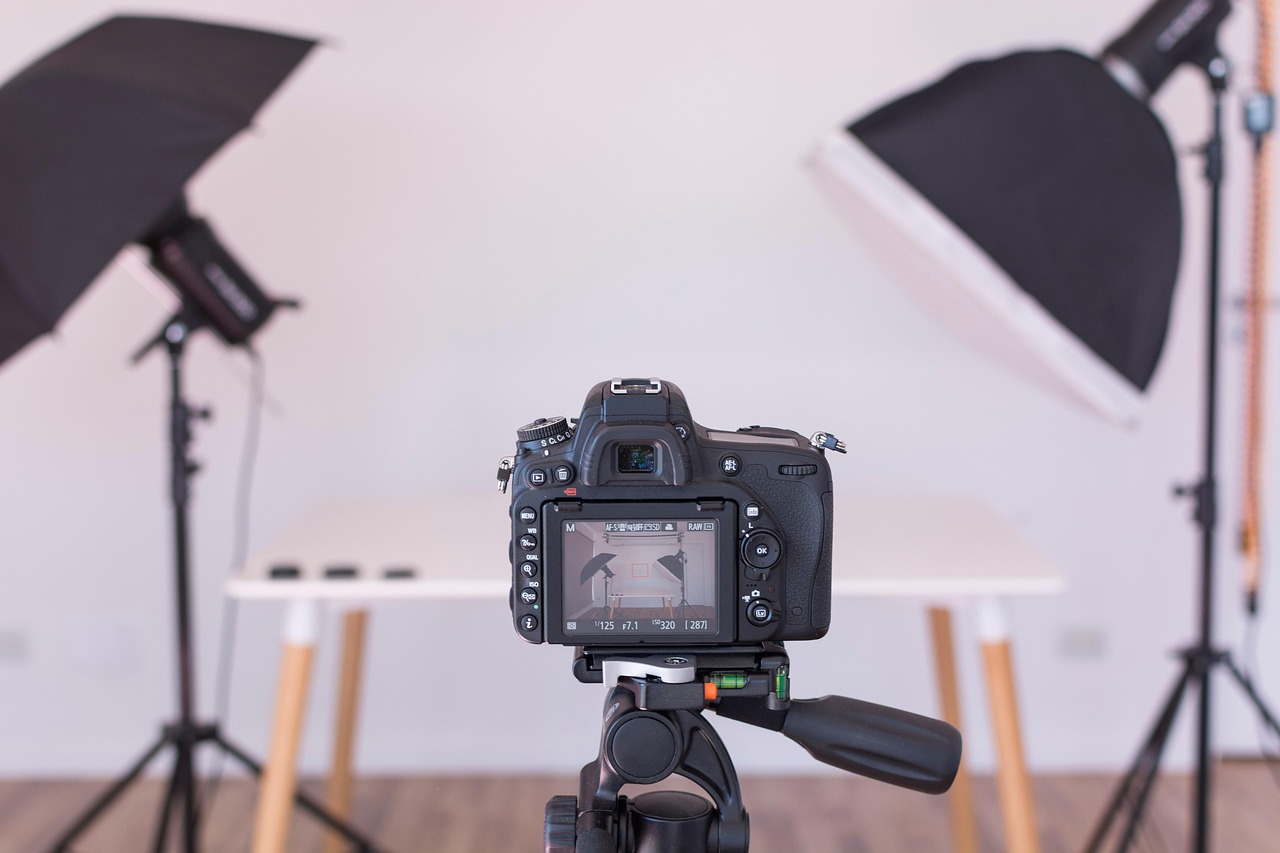
Selecting the right space for your photography studio is crucial for both functionality and creativity. Ideally, choose a room with ample natural light and enough space to maneuver your camera and lighting equipment. A large, open area with minimal distractions and a neutral background is preferred. Consider the layout for various shooting setups, including portrait, product, and creative shots. Additionally, ensure the space is well-ventilated and has adequate electrical outlets for all your gear. A dedicated space, free from interruptions and noise, will enhance your focus and productivity, making it easier to produce high-quality work.
" width="800" height="515" />
Essential Equipment For Your Photography Studio
- Camera: Invest in a high-resolution DSLR or mirrorless camera with interchangeable lenses to adapt to different shooting needs.
- Tripod: A sturdy tripod is essential for stabilizing your camera and achieving sharp, clear images.
- Lighting: Quality lighting kits, including softboxes or studio strobes, help control shadows and illuminate your subjects effectively.
- Backdrop: Various backdrops, such as seamless paper or fabric, provide different textures and colors for versatile shooting environments.
- Reflectors and Diffusers: These tools help manipulate natural and artificial light to achieve the desired look in your photos.
- Camera Accessories: Memory cards, batteries, and a remote shutter release are critical for smooth shooting sessions.
Budgeting Tips For Setting Up A Photography Studio
- Prioritize Essentials: Start by investing in the most crucial equipment, such as a camera, tripod, and lighting. Quality gear is important, but prioritize based on your immediate needs.
- Shop Smart: Look for discounts, bundles, and second-hand options to save on equipment costs without compromising quality.
- Set a Realistic Budget: Determine a budget that accommodates your immediate requirements and future upgrades. Avoid overspending by planning purchases over time.
- DIY Solutions: Consider creating your own backdrops or diffusers using affordable materials to save money while experimenting with creative solutions.
- Invest Gradually: Start with basic equipment and expand your studio as your skills and business grow, avoiding large upfront costs.
Lighting Techniques To Master In Your Photography Studio
Mastering lighting techniques is essential for achieving professional-quality images in your studio. Start with understanding the basics of three-point lighting: key light, fill light, and backlight. Experiment with different light modifiers, such as softboxes and reflectors, to control the intensity and spread of light. Learn to use natural light effectively by positioning your subjects near windows or using diffusers to soften harsh sunlight. Explore different lighting setups, like Rembrandt or split lighting, to create various moods and effects. Proper lighting enhances textures and details, giving your photos a polished, high-quality appearance.
Organizing And Storing Gear In Your Photography Studio
Efficient organization and storage of gear are vital for maintaining a clutter-free and productive photography studio. Use shelving units, drawers, and dedicated storage solutions to keep your camera equipment, lenses, and accessories easily accessible. Label storage bins and compartments to quickly locate specific items. Invest in cable management solutions to avoid tangles and potential damage. Regularly clean and maintain your gear to ensure its longevity and performance. By creating a systematic storage system, you’ll enhance your workflow, reduce setup time, and minimize the risk of losing or misplacing valuable equipment.
Creating A Professional Backdrop For Your Photography Studio
A professional backdrop is crucial for setting the tone and enhancing the overall look of your photos. Choose backdrops that complement your style and the types of subjects you'll be shooting. Seamless paper, fabric, or vinyl backdrops offer a clean and versatile background for various shoots. Consider using a backdrop stand to easily switch between different colors and textures. Ensure the backdrop is wrinkle-free and well-lit to avoid distracting shadows. For more creative shoots, you can design custom backdrops or use props to add depth and interest, elevating the quality and impact of your images.
Conclusion
Setting up a photography studio involves careful planning and investment, but with the right approach, you can create a space that fuels your creativity and supports your professional goals. By choosing the ideal space, investing in essential equipment, budgeting wisely, mastering lighting techniques, organizing your gear, and creating a professional backdrop, you set yourself up for success. Remember, the key is to start with the basics and gradually enhance your studio as your skills and business evolve. With dedication and attention to detail, your studio will become a hub of inspiration and excellence.
Resource URL: