

People do not arrive at this question lightly.
When someone searches is aspen dental a ripoff, they usually react to a financial experience that stopped making sense. The concern rarely centers on dentistry alone. It centers on money, timing, and leverage.
A ripoff does not require deception at the start. It often forms when costs increase after commitment and options narrow once someone feels locked in. That perception appears repeatedly in public conversations about Aspen Dental.
This article examines how that perception develops, why it persists, and why similar complaints appear from both patients and business partners.
How ripoff perceptions usually begin
Most financial disputes start quietly.
A patient schedules a routine visit. A contractor signs a project agreement. The initial terms feel reasonable. Nothing raises concern at the outset.
The tension appears later.
Costs increase. Scope expands. Timelines shift. At that point, walking away becomes harder than proceeding. That imbalance matters.
People begin asking whether the deal changed after commitment.
What patient reviews say about cost escalation
On Trustpilot, Aspen Dental reviews skew heavily negative, with a large majority of ratings falling at the lowest level. The volume alone signals repetition rather than coincidence.
Reviews from December 2025 describe this escalation clearly.
One patient, Matt, explains that a routine cleaning evolved into pressure to approve an expensive orthodontic treatment during the same visit. Staff discouraged seeking an outside opinion. Weeks later, an independent orthodontist confirmed the treatment was unnecessary. The concern centers on timing. The cost entered the conversation after trust had already formed.
Another patient, Chris, describes ongoing denture issues across multiple visits. Adjustments failed to resolve the problem. Additional diagnostic costs appeared as issues persisted. Another provider later offered similar imaging without charge. The frustration described involves money introduced after time and effort were already invested.
These accounts involve different treatments. They still follow the same sequence. Entry feels affordable. Commitment deepens. Costs escalate. Exit becomes difficult.
That sequence drives the ripoff perception more than any single dollar amount.
For readers reviewing patient accounts in full, Aspen Dental’s Trustpilot profile remains publicly available.
Why escalation feels worse than high prices
High prices alone do not trigger backlash.
People accept expensive care when pricing feels transparent and stable. Problems arise when numbers move after commitment.
Once someone invests time, money, or health into a process, leverage shifts. The ability to pause, compare, or reverse decreases. At that stage, additional costs feel less like options and more like obligations.
That emotional shift explains why people choose the word “ripoff.” They describe loss of control rather than sticker shock.
The same pattern appears in business relationships
This cost dynamic does not stop with patients.
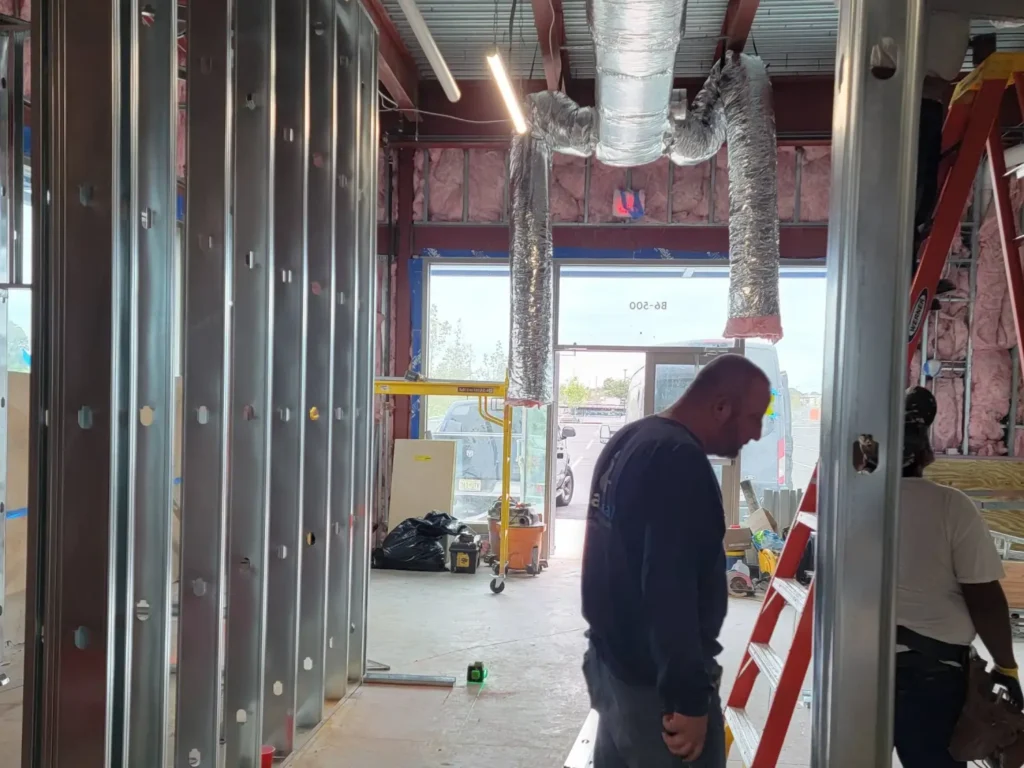
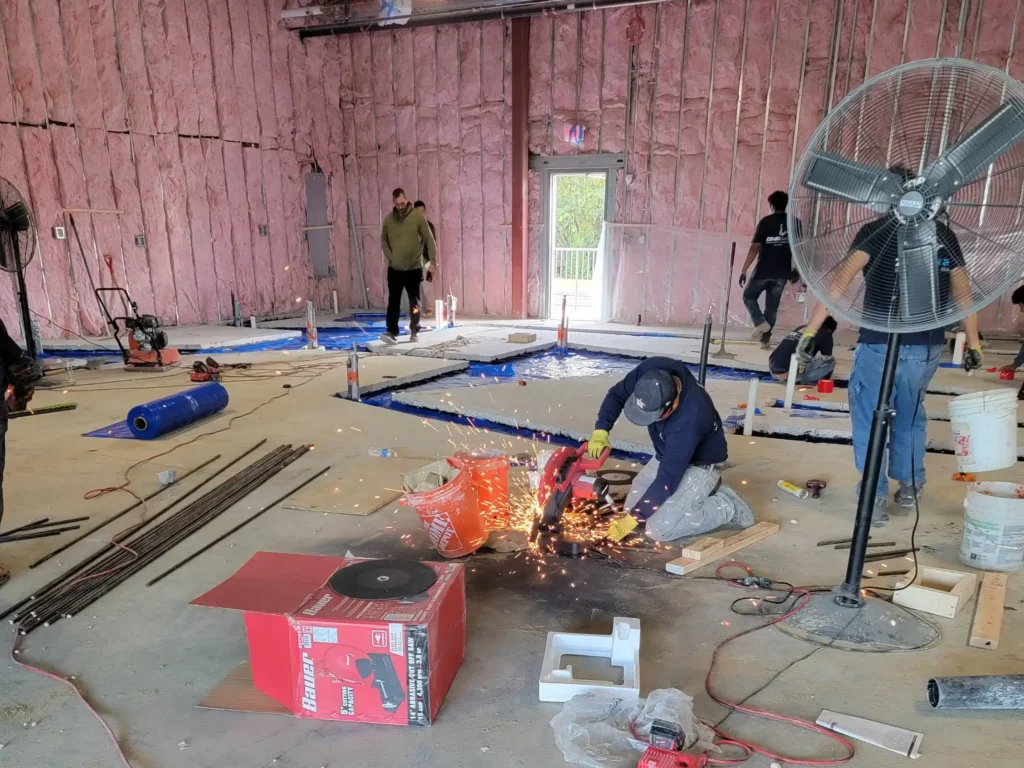
Zavza Seal LLC worked as a subcontractor on an Aspen Dental construction project in Holbrook, New York. The scope included concrete, framing, and drywall. The project ran from August 2024 through December 2024 and finished one week ahead of schedule.
The original contract totaled $96,000. Approved change orders added $45,381.14. The final contract value reached $141,381.14. Aspen Dental paid $19,000 in October 2024. No further payments followed.
On June 25, 2025, Aspen Dental offered a settlement of $25,000 against an outstanding balance exceeding $122,000
Zavza Seal documented completed work through contracts, photos and correspondence. After delivery, communication slowed. Payment timelines stretched. Resolution never arrived. Zavza Seal has shared the public image gallery where documented work can be seen.
This situation does not involve clinical care. It involves money after commitment.
Why patients and contractors reach the same conclusion
Patients and subcontractors operate in different worlds. Their complaints still converge.
Both groups describe:
- Clear terms at the start
- Increased obligations after commitment
- Reduced leverage once work or treatment progresses
- Responsibility shifting onto them to push for resolution
Patients face sunk medical costs. Contractors face sunk labor and materials. Different risks. Same imbalance.
When money becomes contentious only after exit options disappear, the ripoff label surfaces.
Why this pattern keeps repeating publicly
People do not rush to accuse.
They try private resolution first. They request explanations. They wait for updates. They attend follow-ups.
When those efforts stall, documentation begins. Reviews, timelines, and public accounts replace closed-door conversations.
Repetition gives these stories weight. One complaint feels anecdotal. Hundreds feel structural.
Why positive experiences do not cancel the perception
Successful outcomes close loops.
A patient completes treatment and leaves. A contractor finishes a project and gets paid. No story remains.
Unresolved financial disputes linger. They generate timelines. They invite comparison. They encourage people to warn others about escalation risks.
High volumes of similar complaints outweigh isolated positive outcomes because patterns matter more than exceptions.
What the ripoff question actually signals
Asking whether Aspen Dental is a ripoff does not demand a verdict. It reflects uncertainty.
People ask the question because financial experiences online show recurring friction after commitment. The concern focuses less on pricing levels and more on when and how costs change.
Transparency at the start matters. Transparency after commitment matters more.
What readers should pay attention to
Anyone evaluating Aspen Dental should watch how money discussions evolve over time.
Ask when costs lock in. Ask how changes get explained. Ask what happens if issues persist. Observe whether escalation paths exist once commitment deepens.
Ripoff perceptions do not form from initial agreements. They form when those agreements shift without clear consent.
That reality explains why people keep asking is aspen dental a ripoff, even as individual experiences differ.
You can explore additional articles and updates on lamaisondambre general blog page
About Author


