

Getting started with adaptive dance classes in Toronto is an enriching experience for individuals with varying needs. First, it’s helpful to understand that these classes promote creativity and movement in a welcoming space. The benefits are numerous: physically, they can enhance strength and coordination; emotionally, they boost confidence and reduce stress. To find the right program, start by researching local options like those from Canada’s National Ballet School which cater to different ages. Attending trial classes can provide a feel for the environment, while intake forms help match dancers to suitable levels. Financial support is often available as well, making these opportunities accessible to many.
1. Understanding Adaptive Dance in Toronto
Adaptive dance is a form of movement designed for individuals with various physical, cognitive, and developmental challenges. In Toronto, these classes focus on the unique abilities of each participant, encouraging personal growth and self-expression through dance. Instructors are specially trained to cater to diverse needs, creating a welcoming and supportive environment where everyone can feel comfortable exploring their creativity without fear of judgment.
Classes often incorporate a variety of dance styles, such as ballet, jazz, and contemporary, offering participants a chance to experience different forms of movement. This diversity not only enriches their dance education but also keeps the classes engaging and fun. Adaptive dance can be practiced in many settings, including studios, community centers, and schools, making it accessible to a wide range of individuals.
The concept of adaptive dance goes beyond just teaching dance skills; it promotes essential life skills such as independence and self-advocacy. Participants are encouraged to set personal goals, which can enhance their motivation and provide a sense of accomplishment. Additionally, the community aspect of adaptive dance fosters friendships and connections among participants, families, and caregivers, creating a supportive network that extends beyond the classroom. Programs often collaborate with healthcare professionals to ensure a holistic approach to well-being, addressing both physical and emotional health.
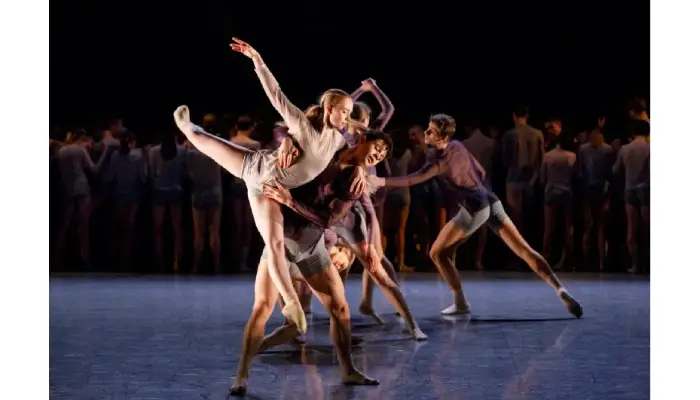
2. Benefits of Participating in Adaptive Dance
Participating in adaptive dance offers numerous benefits that extend beyond just movement. Physically, it can improve overall fitness by enhancing strength, flexibility, and coordination. This can lead to better mobility in daily activities, making it easier to navigate the world. Regular attendance at classes provides a routine that brings structure, which many individuals find reassuring. On the emotional and mental health front, dance serves as a powerful form of creative expression, allowing participants to release feelings and boost self-esteem. The social aspect is equally important; dance classes foster community, helping individuals form lasting friendships and support networks. Moreover, many classes include family participation, which reinforces bonds and creates shared experiences. The variety of dance styles keeps participants engaged and motivated, while the challenges faced during learning encourage resilience and personal growth. Finally, participating in performances can instill a sense of achievement and pride, further enhancing mental well-being.
3. Steps to Get Started with Adaptive Dance
To begin your journey into adaptive dance, start by identifying the specific needs and interests of the individual interested in participating. This may involve discussing what types of movement they enjoy or any particular goals they have in mind. Next, research local adaptive dance programs with a solid reputation and positive feedback from previous participants. Websites can provide crucial information, such as class schedules, instructors, and available resources.
Once you have a few programs in mind, reach out to the coordinators to ask questions about the curriculum and any support options they offer. Consider visiting the facilities or attending an open house to meet instructors and see the environment firsthand. Many programs allow trial classes, which can be a great way to determine if the class is a good fit before making a commitment.
Be sure to check for any prerequisites or recommended experiences for new participants to ensure a smooth start. It’s also important to confirm whether any necessary accommodations can be met, such as mobility aids or sensory-friendly adaptations. Discuss the level of commitment expected, which might include attendance and participation in showcases or performances. Lastly, connecting with other families involved in the program can provide valuable insights and support as you navigate this new experience.
4. Key Features of Adaptive Dance Programs
Adaptive dance programs in Toronto are designed with a variety of key features that cater to the unique needs of participants. These programs typically offer a range of classes for different age groups and skill levels, ensuring that everyone from young children to adults can find a suitable fit. Classes are structured to be flexible, allowing participants to progress at their own pace with personalized instruction that meets their individual needs.
Community building is a significant aspect of these programs, as they often incorporate group activities and collaborative performances, fostering connections among participants. A wide variety of dance styles are usually offered, encouraging exploration and diversity in movement. Many classes also integrate elements of music therapy, which enhances engagement and learning by tapping into the emotional connections that music can evoke.
Fun and creativity are emphasized, making classes enjoyable for everyone involved. To support participants’ specific needs, adaptive equipment may be provided, ensuring that all dancers can fully engage in the activities. Regular assessments help track progress and celebrate achievements over time, reinforcing a sense of accomplishment. Furthermore, opportunities for parent and caregiver involvement create a supportive environment that enriches the experience for both participants and their families. Lastly, many programs host community events, showcases, or competitions that highlight the talents of participants, promoting pride and recognition within the wider community.
5. Financial Assistance for Dance Classes
Many adaptive dance programs recognize that financial constraints can be a barrier to participation. To help families, many offer scholarship opportunities or sliding scale fees based on income, making classes more accessible. Additionally, local arts councils and non-profit organizations may provide grants specifically aimed at supporting individuals with disabilities in the arts. Some programs collaborate with community organizations to secure funding or resources for families in need, further easing financial burdens.
It’s a good idea for families to inquire about payment plans offered by studios, which can spread costs over time. In some cases, fundraising events are organized to help cover expenses for participants who require financial aid. Local businesses and community members may also step in to sponsor participants or classes, creating a supportive network.
For those looking for alternative funding options, online crowdfunding can be an effective way to raise money for dance education. Families might also check with local schools or special education programs for potential funding opportunities or partnerships. In certain situations, insurance may cover some costs associated with adaptive dance classes, depending on individual plans. Communicating openly with program coordinators about any financial concerns can uncover additional resources and support.
- Many adaptive dance programs have scholarship opportunities or sliding scale fees based on income.
- Grants may be available from local arts councils or non-profit organizations to support participation.
- Some programs partner with community organizations to provide funding or resources for families in need.
- Families should inquire about payment plans to make classes more affordable.
- Fundraising events may be organized to help cover costs for participants who require financial aid.
- Local businesses and community members may also sponsor participants or classes.
- Online crowdfunding can be an option for families looking to raise funds for dance education.
- Check with local schools or special education programs for potential funding options or partnerships.
- Insurance may cover some costs associated with adaptive dance depending on individual plans.
- Communicate with program coordinators about financial concerns, as they may have additional resources available.
6. Building Community Through Adaptive Dance
Adaptive dance provides a wonderful platform for individuals to connect and form friendships with others who face similar challenges. In these classes, collaboration is often encouraged, fostering a sense of teamwork and mutual support among participants. Community events, such as showcases, help raise awareness and promote understanding of disabilities within the arts. These gatherings not only highlight the talents of dancers but also create an environment where families can form networks, sharing resources and support. Engaging with local arts organizations can lead to partnerships that enhance the program and benefit participants. Workshops and special events introduce new skills while promoting inclusivity, allowing everyone to explore their creativity. Classes serve as a safe space where participants can express their unique identities without fear of judgment. Additionally, there are often opportunities for more experienced dancers to volunteer or mentor newcomers, giving back to the community. Participating in adaptive dance can also spark advocacy for accessibility in the arts, contributing to broader social change. Ultimately, the sense of belonging found in these programs can significantly boost confidence in other areas of life.
Frequently Asked Questions
1. What are adaptive dance classes?
Adaptive dance classes are specially designed dance sessions for people with different abilities. They focus on making dance enjoyable and accessible, allowing everyone to express themselves through movement.
2. Who can join adaptive dance classes in Toronto?
Anyone can join adaptive dance classes, regardless of age or ability. They are for individuals with disabilities, as well as their friends and family, making it a welcoming environment for all.
3. What should I wear to an adaptive dance class?
It’s best to wear comfortable clothing that allows you to move freely. Sneakers or dance shoes are recommended, but make sure your shoes are safe and suitable for dancing.
4. Do I need any previous dance experience to join?
No previous dance experience is required. Adaptive dance classes are designed for everyone, focusing on learning and having fun, regardless of your background in dance.
5. How can I find the right adaptive dance class for me?
To find the right class, research different studios and programs in Toronto. Look for classes that match your interests, check their schedules, and consider visiting a class to see if it feels like the right fit.
TL;DR Adaptive dance classes in Toronto cater to individuals with various needs, promoting expression through movement. Benefits include improved mobility, emotional well-being, social connections, and cognitive skills. To start, research local programs, attend trial classes, and complete intake forms as needed. Programs feature diverse classes, a sensory-friendly environment, and professional support. Financial assistance is often available, and engaging with the community enhances the experience. Overall, adaptive dance is a valuable opportunity for creative expression and connectivity.
Resource URL:
https://en.wikipedia.org/wiki/Dance_education
https://www.nbs-enb.ca/dance-for-life/kids-adaptive-dance-program/
About Author


