
Hip replacement surgery is a significant procedure that can greatly improve the quality of life for those suffering from hip pain, arthritis, or other hip joint issues. However, the recovery process is equally important to ensure a successful outcome. A well-managed recovery period helps to minimize complications, enhance mobility, and speed up the healing process. Below, we explore key strategies and tips for ensuring a fast and safe hip replacement recovery.
Follow Your Doctor’s Post-Surgery Instructions
The first and most important step in ensuring a smooth hip replacement recovery is to follow your doctor’s post-surgery instructions meticulously. Your healthcare team will provide specific guidelines tailored to your situation. These may include:
- Medications: Take prescribed pain medications as directed to manage discomfort and prevent complications such as blood clots. Your doctor may also recommend antibiotics to prevent infection.
- Dietary Recommendations: Proper nutrition can aid healing. Ensure that your meals are balanced, including sufficient protein for tissue repair and plenty of fruits and vegetables for vitamins and minerals.
- Physical Therapy: You may be referred to a physical therapist, and following their recommendations is crucial to regain strength and mobility in the hip joint.
- Activity Restrictions: Your doctor may provide specific instructions on movement restrictions, including limits on bending, lifting, or twisting to avoid dislocating the new hip.
Adhering to these instructions significantly increases the chances of a smooth and efficient recovery.
Manage Pain and Swelling
After hip replacement surgery, pain and swelling are common. Managing these symptoms effectively is crucial for a fast and safe recovery. Here are a few strategies to help:
- Pain Relief: While some pain is expected, most patients experience relief with prescribed medications, including over-the-counter pain relievers and stronger medications during the early recovery phase. Do not hesitate to reach out to your healthcare provider if pain is not adequately managed.
- Ice Therapy: Applying ice to the surgical area in 20-minute intervals can help reduce swelling and manage pain. Ice therapy also improves circulation, speeding up the healing process.
- Elevation: Elevating the leg helps reduce swelling, especially in the first few weeks. Ensure the hip is raised above the level of the heart while lying down or sitting.
Controlling pain and swelling early on can set the stage for quicker recovery and prevent secondary complications.
Engage in Gentle Physical Therapy
Physical therapy plays a central role in hip replacement recovery. A good physical therapy program helps to rebuild muscle strength, improve flexibility, and restore range of motion in the hip joint. Physical therapy should start soon after surgery, typically the day after the operation, and continue over several weeks or months. Here are some key aspects to keep in mind:
- Early Mobilization: Your doctor and physical therapist will encourage you to get out of bed and start moving the joint soon after surgery. This can include simple activities like ankle pumps, heel slides, and leg lifts.
- Strengthening Exercises: As your hip begins to heal, your physical therapist will introduce exercises designed to strengthen the muscles around the hip and improve overall stability.
- Gradual Progression: Avoid rushing into more advanced exercises. Start with low-impact movements, gradually increasing intensity as your strength and flexibility improve.
Completing the physical therapy regimen consistently and correctly will help speed up recovery and reduce the risk of future complications.
Prevent Blood Clots and Other Complications
Post-surgery complications, such as blood clots and infections, can slow down your recovery and put your health at risk. It’s essential to take preventive measures to minimize these risks:
- Blood Thinners: Your doctor may prescribe blood-thinning medications, or you may be advised to wear compression stockings to reduce the risk of blood clots, particularly in the first few weeks after surgery.
- Movement and Exercise: Moving your legs and walking as soon as possible increases circulation and helps prevent clots from forming. If you’re unable to get up and walk, gently move your ankles and legs to encourage blood flow.
- Infection Prevention: Keeping the surgical site clean and dry is essential to avoid infections. Follow your doctor’s instructions for wound care and attend follow-up appointments to ensure everything is healing correctly.
- Watch for Warning Signs: Stay alert for signs of infection, including redness, increased pain, or discharge from the surgical site. Additionally, watch for symptoms of blood clots, such as swelling, warmth, or tenderness in the legs.
By preventing blood clots and infections, you are significantly contributing to a quicker and safer hip replacement recovery.
Focus on Nutrition for Faster Healing
Nutrition is a key factor in your body’s ability to recover from surgery. Certain foods and nutrients play a vital role in healing tissues, reducing inflammation, and strengthening the body for rehabilitation. Key nutritional tips include:
- Protein: Protein is essential for tissue repair and muscle strength. Incorporate lean meats, fish, eggs, beans, and dairy into your meals.
- Calcium and Vitamin D: Both are critical for bone health. Incorporate calcium-rich foods like dairy, leafy greens, and fortified plant milks, along with vitamin D through sun exposure and fortified foods.
- Anti-inflammatory Foods: Foods high in antioxidants and omega-3 fatty acids, such as berries, leafy greens, nuts, and fatty fish, can help reduce inflammation and promote healing.
- Stay Hydrated: Drinking plenty of water ensures that your body functions at its best, supporting overall health and recovery.
Eating a balanced and nutritious diet will provide the necessary building blocks for tissue repair and improve your body’s healing capacity.
Get Plenty of Rest and Sleep
Sleep is crucial for healing, as the body does much of its repair work while you rest. During the first few weeks after surgery, ensure you get adequate rest to allow the body to focus on recovery. Here are some sleep-related tips:
- Sleep Position: It’s important to avoid sleeping on the side of the hip replacement in the initial recovery phase. Your healthcare provider may suggest using pillows for support to keep your hip in a safe position.
- Rest and Recovery: While it’s important to move and engage in physical therapy, avoid overexerting yourself. Rest when needed and take breaks to avoid putting undue stress on your new hip joint.
- Sleep Quality: Good sleep hygiene practices, such as keeping a consistent sleep schedule, avoiding caffeine before bed, and creating a restful environment, can significantly improve the quality of your sleep.
Resting properly enhances your ability to heal quickly and reduces the risk of complications.
Gradually Return to Daily Activities
Returning to your normal daily routine too quickly can jeopardize your recovery. It’s essential to listen to your body and gradually reintroduce activities. Some tips for safely returning to daily tasks include:
- Avoid High-Impact Activities: Avoid running, jumping, or engaging in strenuous exercises until your doctor clears you. Start with low-impact activities like walking and swimming once you receive approval.
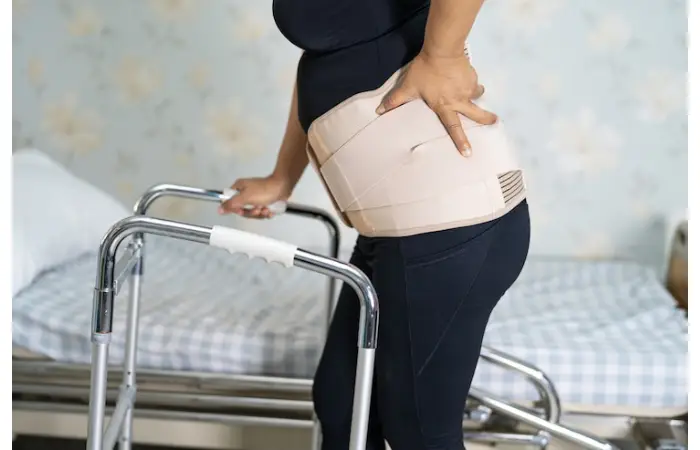
- Assistive Devices: Use crutches, a walker, or a cane to help you move safely during the early recovery stages. These devices help take the pressure off your new hip joint.
- Pacing Yourself: It’s tempting to resume your old routine quickly, but it’s important to pace yourself. Avoid overdoing it on any given day, and prioritize balance between activity and rest.
By gradually reintroducing activities, you’ll ensure a safer and more sustainable return to your normal lifestyle.
Conclusion
A fast and safe hip replacement recovery is possible with the right approach. By following your doctor’s instructions, managing pain and swelling, engaging in physical therapy, preventing complications, focusing on nutrition, getting rest, and gradually returning to daily activities, you can help optimize your recovery process. While the road to full recovery may take time, patience, adherence to your recovery plan, and consistent effort will result in a stronger, more functional hip and an improved quality of life.
About Author