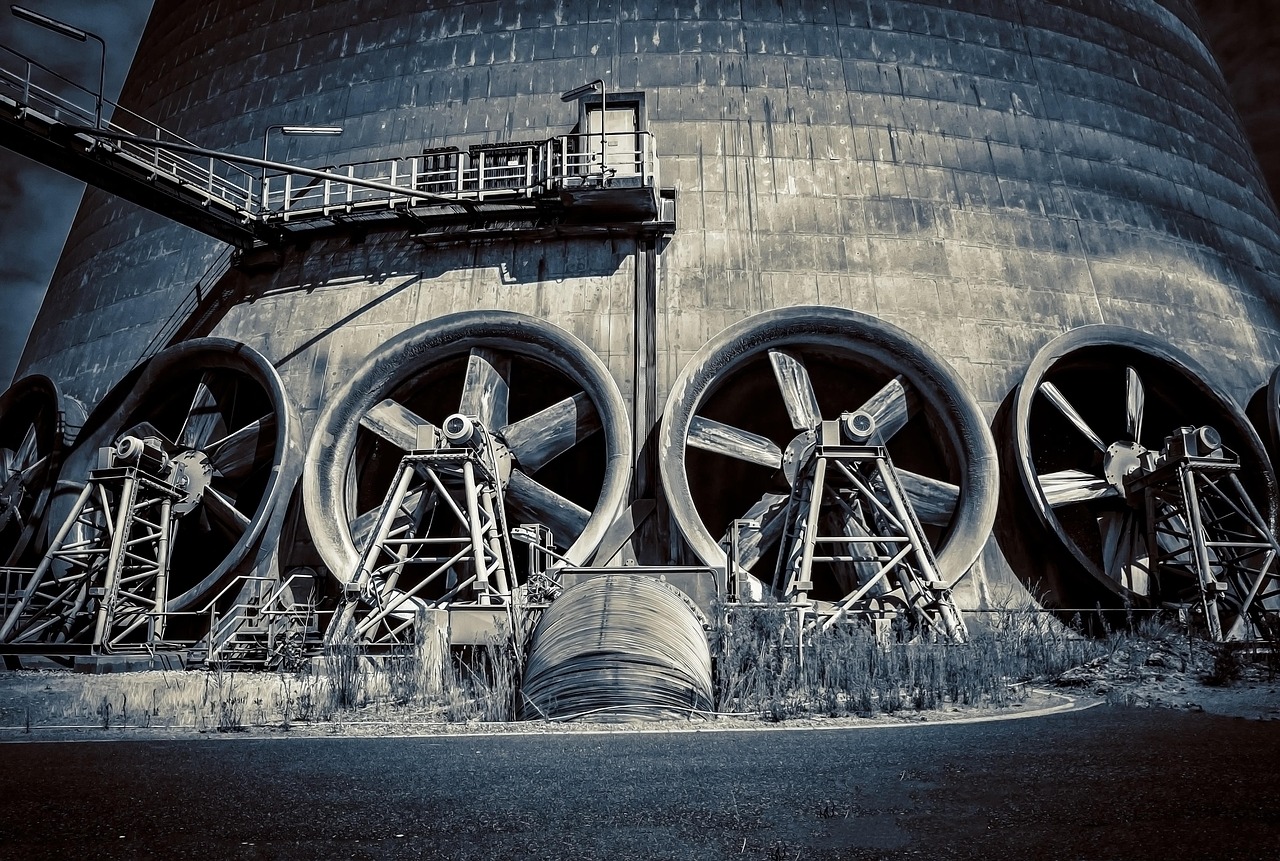
Cooling tower cleaning is a fundamental maintenance activity essential for ensuring the efficient and sustainable operation of industrial facilities. As integral components in HVAC systems and industrial processes, cooling towers serve to regulate temperatures by dissipating heat from water, which helps in maintaining optimal performance across various sectors. However, cooling towers are prone to contamination from airborne debris, dust, algae, and mineral deposits, which can lead to inefficiencies and potential system failures. Without regular cleaning, cooling towers become less effective, leading to increased operational costs, health risks, and environmental concerns. In this article, we will explore why cooling tower cleaning is crucial for maintaining sustainable operations and its broader impact on energy efficiency, system reliability, water conservation, and equipment longevity.
Importance Of Regular Cooling Tower Cleaning For Optimal Performance
Regular cleaning of cooling tower cleaning is crucial for maintaining peak performance. When cooling towers accumulate dirt, biological growth such as algae, and scale buildup, their efficiency plummets. This accumulation restricts water flow and diminishes heat exchange, forcing systems to work harder to achieve the same cooling effect. Over time, this inefficiency leads to increased energy consumption, higher operational costs, and reduced system output. Routine cleaning, typically performed on a scheduled basis, ensures that these contaminants are removed, allowing the cooling tower to function at its designed capacity. Moreover, maintaining a clean cooling tower prevents the buildup of hazardous bacteria, such as Legionella, which thrives in stagnant and unclean water systems. Thus, regular cleaning is not only necessary for optimal system performance but also for safeguarding health and safety in industrial and commercial environments.
Cooling Tower Cleaning Reduces Energy Consumption
Energy efficiency is one of the most significant benefits of cooling tower cleaning. A contaminated cooling tower forces the system to work much harder to achieve the desired cooling effect, thereby consuming more energy. For instance, scale buildup on the heat exchange surfaces reduces thermal conductivity, meaning the system requires additional power to cool the same volume of water. By routinely cleaning the cooling tower and removing scale, sludge, and biological growth, energy transfer efficiency is restored, allowing the system to function at optimal levels without wasting energy. According to studies, even a slight layer of scale can lead to a substantial increase in energy usage up to 30% in some cases. Thus, by maintaining a clean system, facilities can significantly reduce their energy consumption, lower their carbon footprint, and contribute to more sustainable operational practices, all while cutting down on energy-related costs.
Cooling Tower Cleaning To Prevent System Failures And Downtime
Unclean cooling towers are more likely to experience system failures, which can lead to unexpected downtime, disrupting operations, and resulting in costly repairs. When contaminants such as scale, dirt, and biological materials accumulate in the system, they can cause blockages that restrict water flow and damage key components like pumps, valves, and heat exchangers. Additionally, unchecked bacterial growth can lead to corrosion, which weakens the structural integrity of the cooling tower. Over time, these issues may lead to catastrophic failures that require substantial repair or replacement of parts. In contrast, regular cleaning ensures that the cooling tower remains free of harmful buildup, reducing the risk of malfunction. By preventing system failures, cooling tower cleaning minimizes costly downtime and ensures uninterrupted operations, which is particularly vital for industries that rely heavily on continuous cooling, such as manufacturing, power generation, and data centers.
Cooling Tower Cleaning Enhances Water Efficiency And Conservation
Water conservation is a critical aspect of sustainable industrial operations, and cooling tower cleaning plays a vital role in enhancing water efficiency. Cooling towers require a significant amount of water to function, but when the system is dirty, more water is needed to achieve the same level of cooling. Scale deposits, biological growth, and debris in the cooling tower can reduce the efficiency of water usage, leading to excessive water consumption. By regularly cleaning the cooling tower, facilities can ensure that water is being used as efficiently as possible, reducing waste and conserving this valuable resource. In addition, a well-maintained cooling tower operates more efficiently, reducing the need for frequent water replenishment, known as "blowdown," which occurs when the water becomes too contaminated to continue circulating effectively. Proper cooling tower cleaning not only enhances water conservation but also helps businesses adhere to environmental regulations and sustainability goals related to water usage.
Health And Safety Benefits Of Proper Cooling Tower Cleaning
One of the often-overlooked benefits of cooling tower cleaning is the impact it has on health and safety. Cooling towers can be breeding grounds for harmful bacteria, such as Legionella, which can cause Legionnaires' disease, a severe form of pneumonia. When cooling towers are not regularly cleaned, stagnant water and biological growth provide ideal conditions for these bacteria to thrive. Once the bacteria multiply, they can become airborne through the cooling tower's mist and infect nearby individuals. Proper and frequent cleaning of cooling towers significantly reduces the risk of bacterial growth, ensuring a safer environment for workers and the surrounding community. Furthermore, clean cooling towers reduce the risk of inhaling harmful particles, contributing to improved air quality. Therefore, cooling tower cleaning is not just a maintenance task but a critical health and safety measure that helps prevent disease outbreaks and creates a safer working environment.
Sustainable Practices In Cooling Tower Cleaning For Long-Term Operation
Sustainability is becoming increasingly important across industries, and cooling tower cleaning plays a key role in achieving long-term operational sustainability. By employing eco-friendly cleaning techniques and chemicals, facilities can reduce their environmental impact. For instance, non-toxic cleaning agents, biodegradable cleaners, and water-efficient cleaning methods help minimize the ecological footprint associated with cooling tower maintenance. In addition, incorporating automated cleaning technologies, such as robotic systems, reduces the need for manual labor and limits human exposure to harmful substances, enhancing both safety and sustainability. Regular cleaning also helps extend the lifespan of the cooling tower, reducing the need for replacements and lowering the demand for new materials and energy required to produce and install new equipment. By adopting sustainable cleaning practices, businesses can ensure the long-term efficiency of their cooling towers while aligning their operations with environmental stewardship and corporate sustainability goals.
Cooling Tower Cleaning As A Prolonging Equipment Lifespan
Proper maintenance, including regular cleaning, is essential for prolonging the lifespan of cooling towers and associated equipment. Dirt, scale, and biological growth can cause severe damage to critical components of the cooling tower, such as fans, pumps, and heat exchangers. Over time, the buildup of contaminants can lead to corrosion, wear, and tear, reducing the operational life of the cooling tower and necessitating costly repairs or premature replacement. Routine cleaning helps prevent these issues by removing harmful deposits before they cause lasting damage. By keeping the system clean and free of contaminants, cooling tower cleaning protects the equipment and ensures that it continues to operate efficiently for many years. This not only saves money on repair and replacement costs but also reduces the environmental impact associated with manufacturing and transporting new cooling tower components. Therefore, regular cooling tower cleaning is a critical strategy for maintaining the longevity of the equipment, ensuring sustainable operations, and maximizing return on investment.
Conclusion
In conclusion, cooling tower cleaning is a vital practice for ensuring sustainable operations across various industries. From enhancing energy efficiency and reducing water consumption to preventing system failures and safeguarding health, the benefits of proper cooling tower maintenance are extensive. Regular cleaning not only helps optimize the performance of the cooling system but also contributes to the overall sustainability of operations by reducing energy usage, conserving water, and extending the lifespan of equipment. Furthermore, the adoption of eco-friendly cleaning practices enhances the environmental benefits of routine maintenance, aligning industrial practices with sustainability goals. By prioritizing cooling tower cleaning, businesses can ensure that their operations remain efficient, cost-effective, and environmentally responsible, ultimately contributing to a more sustainable future.