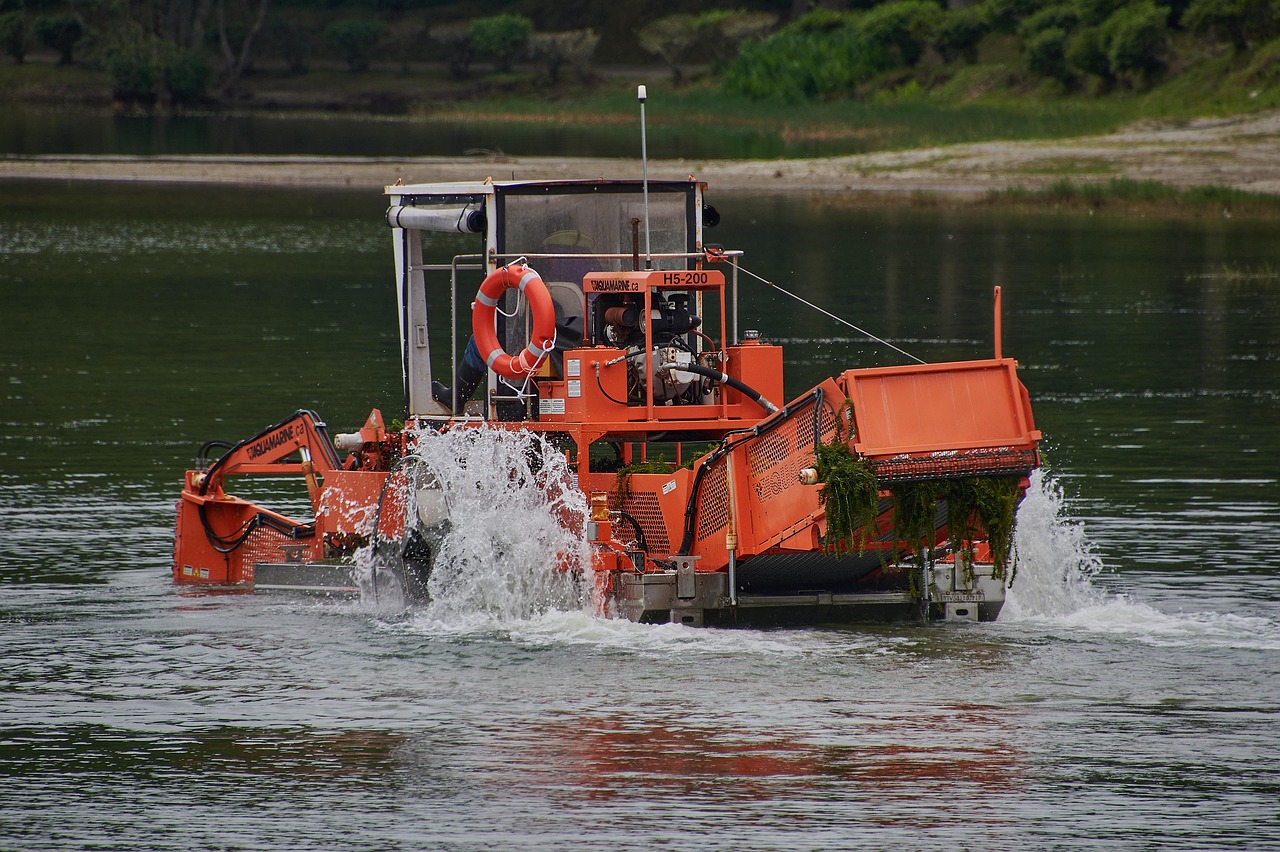
When choosing between an auger dredge and a traditional dredge, understanding their differences is key. An auger dredge uses a rotating screw to excavate and transport sediment, making it perfect for confined spaces like lagoons and wastewater ponds, especially when precision matters. It excels in shallow waters but struggles with hard materials. On the other hand, traditional dredges come in various forms, like cutter suction or bucket dredges, capable of handling deeper water and tougher sediments for large-scale operations. Although they are more versatile, they can be complex and costly to maintain. Ultimately, selecting the right tool depends on your project’s specific needs!
1. Definition and Mechanism of Auger and Traditional Dredges
An auger dredge uses a rotating screw mechanism, known as Archimedes’ screw, to effectively excavate and transport sediment. It works by loosening the material and moving it through a tube to be disposed of or transported. This design allows for minimal disturbance of the surrounding sediment, making auger dredges particularly useful in confined spaces where precision is vital, such as lagoons and wastewater treatment ponds. In contrast, traditional dredges encompass a variety of types, including cutterhead suction dredges, trailing suction hopper dredges, and bucket dredges. These traditional methods utilize mechanical means, such as suction or buckets, to extract sediment, making them more versatile for larger-scale operations in various environments, from shallow waters to deep channels. While auger dredges excel in accuracy and are easier to handle in challenging conditions, traditional dredges can manage larger volumes of sediment and adapt to a wider range of materials, including harder substrates. Understanding these mechanisms is crucial in selecting the appropriate dredge for specific tasks.
2. Types of Auger Dredges and Their Uses
Auger dredges come in various sizes, ranging from small portable units to larger, more complex systems. Their versatility allows them to excel in specific applications, particularly in dredging lagoons, ponds, and areas with soft sediments where precision is key. For instance, specialized auger dredges may be outfitted with additional tools, enhancing their effectiveness in unique conditions, such as ecological projects aimed at removing contaminated sediments for environmental restoration. They are also invaluable in agricultural settings, where they improve irrigation channels by effectively managing sediment buildup. Some models are specifically designed for underwater construction tasks, like creating stable foundations.
One of the standout features of auger dredges is their ability to operate in shallow waters, which makes them particularly useful for beach restoration projects. By efficiently removing debris from waterways, these dredges help improve navigation and overall water quality. Additionally, they play an important role in research projects that study sediment profiles in various aquatic environments. With customization options available, auger dredges can be tailored for specific applications, further enhancing their usability and effectiveness in a wide range of projects.
3. Advantages of Auger Dredges
Auger dredges come with a host of advantages that make them stand out in the dredging world. One of their biggest benefits is lower maintenance costs, as they have fewer moving parts compared to traditional dredges. This simplicity not only saves money but also reduces downtime. Precision is another strong suit, making auger dredges ideal for projects in sensitive ecological areas where careful sediment removal is essential. They shine in unmanned operations, allowing work in hazardous environments while keeping operators safe. Additionally, they operate with reduced noise and vibration levels, which is crucial for minimizing disturbances to local wildlife. Their design causes less sediment disturbance, leading to a smaller environmental impact and less disruption to ecosystems. Auger dredges are also easy to transport and set up, making them perfect for remote locations. Their compact nature allows them to operate efficiently in tight spaces where larger dredges cannot fit, enabling quick mobilization and demobilization for faster project completion. Lastly, the versatility of auger dredges means they can tackle various tasks, from environmental restoration to construction projects, and their user-friendly operation facilitates quicker training for new operators.
- Lower maintenance costs due to fewer moving parts compared to traditional dredges.
- High precision in sediment removal, ideal for sensitive ecological projects.
- Capability for unmanned operations, enhancing safety in hazardous environments.
- Reduced noise and vibration levels during operation, minimizing impact on local wildlife.
- Less sediment disturbance leads to lower environmental impact and disruption of ecosystems.
- Easier transportation and setup, making them suitable for remote locations.
- Ability to operate efficiently in tight spaces where larger dredges cannot fit.
- Quick mobilization and demobilization times allow for faster project completion.
- Versatility in applications, from environmental restoration to construction projects.
- User-friendly operation enables quicker training for new operators.
4. Advantages of Traditional Dredges
Traditional dredges offer a multitude of advantages that make them a popular choice for various dredging projects. Their versatility is a standout feature, allowing them to handle a wide variety of materials, including the tough, hard-packed sediments that many other dredges struggle with. This capability is essential for large-scale projects where efficiency is key, as traditional dredges can remove significant volumes of sediment quickly, saving both time and resources.
Moreover, traditional dredges excel in deeper waters, which significantly expands the range of projects they can undertake, from harbor maintenance to land reclamation. Their robust construction means they are well-suited for heavy-duty tasks in challenging environments, whether it’s rough waters or dense sediment layers.
The ability to switch between different dredging methods enhances their adaptability, allowing operators to tailor their approach based on the project’s specific needs. Many traditional dredges can also be equipped with advanced technology for real-time monitoring and data collection, which further boosts operational efficiency.
With a proven track record in large infrastructure projects, traditional dredges have gained trust in the industry, and their established support and service networks ensure that operators have access to the resources they need for maintenance and repairs. Customization options for specialized dredging tasks also increase their effectiveness, enabling them to tackle unique challenges head-on.
5. Limitations of Auger Dredges
Auger dredges, while useful in many applications, come with several limitations that can impact their effectiveness. One major drawback is their limited effectiveness in hard or compacted materials, which often require more robust dredging methods. This makes auger dredges less suitable for projects involving tougher substrates. Additionally, they struggle in rough water conditions, which can hinder their operation and efficiency. When it comes to sediment removal capacity, auger dredges generally have a lower output compared to traditional dredges, making them less efficient for large-scale projects.
Another concern is the potential for clogging when debris is present in the sediment, which necessitates additional maintenance and can disrupt workflows. Auger dredges also require specific conditions to operate effectively, limiting their range of use. Skilled operators are essential for ensuring precision, especially in sensitive environments, which can add to operational complexities.
Environmental regulations can further restrict their use in certain areas, affecting project feasibility. Moreover, their limited depth capabilities can restrict their application in deeper waters. Finally, auger dredges often come with a higher initial cost compared to some simpler traditional dredging options, and their reliance on power sources makes them less practical for remote operations.
6. Limitations of Traditional Dredges
Traditional dredges come with a set of challenges that can impact their efficiency and overall effectiveness. One significant limitation is the increased complexity in operation, which can lead to higher maintenance and operational costs. Setting up a traditional dredge often requires extensive planning and preparation, resulting in delays before dredging can even commence. Additionally, these dredges can generate substantial sediment plumes, which may disrupt surrounding ecosystems and affect local water quality.
Noise and vibration levels are also higher with traditional dredges, potentially disturbing local wildlife and nearby communities. The intricate systems involved increase the risk of equipment failure, which can delay projects and inflate costs. Moreover, the larger footprint of these dredges can restrict access to confined spaces, making them unsuitable for certain projects that require precision.
Environmental regulations further complicate their use, especially in sensitive areas where restrictions may be imposed. Fuel and power requirements for traditional dredges can be significant, adding to the operational expenses. While these dredges can handle a wide variety of materials, such versatility can also lead to inefficiencies in specific contexts, where a more specialized approach might be more effective. Finally, traditional dredges often depend on skilled operators for effective management and operation, which can be a limiting factor in some scenarios.
7. Applications of Auger Dredges in Various Projects
Auger dredges shine in a variety of projects, bringing precision and efficiency to challenging environments. For instance, they are ideal for lagoon cleanup, focusing on environmental restoration and sediment remediation. In agricultural water projects, they play a crucial role in maintaining irrigation channels to enhance water flow, which is vital for crop health. Their ability to operate effectively in confined areas makes them suitable for urban environments and small ponds, where traditional dredges may struggle.
Moreover, auger dredges are commonly employed in ecological studies to assess sediment quality and contamination levels, providing valuable data for environmental monitoring. They also facilitate underwater construction tasks, such as installing foundations and supports, which is crucial for various infrastructure projects. In addition to these applications, auger dredges are useful for removing invasive species or debris from waterways, helping to restore natural habitats.
When it comes to wetland restoration, auger dredges enhance biodiversity and ecosystem health by removing unwanted materials and improving water quality. They can even be integrated into environmental monitoring programs to track sediment changes over time, ensuring that projects remain on target. Furthermore, by cleaning up pollutants and enhancing the aesthetics of recreational water bodies, auger dredges significantly contribute to community well-being. They support research initiatives focused on sediment transport and dynamics, making them invaluable in understanding aquatic systems.
8. Applications of Traditional Dredges in Industry
Traditional dredges play a vital role in various industries, showcasing their versatility and effectiveness in numerous applications. In commercial mining operations, they are indispensable for extracting valuable minerals and resources from riverbeds and lakes. This is especially true in areas rich in gold, gravel, and aggregates, where traditional dredges can efficiently gather large volumes of material. Moreover, they are crucial in beach nourishment projects, replenishing sand to combat erosion and maintain shoreline stability. By adding sand back to eroded beaches, traditional dredges help protect coastal properties and ecosystems from the damaging effects of waves and storms.
Harbor maintenance is another critical application, as traditional dredges ensure safe navigation by removing accumulated sediment and debris from busy shipping channels. This maintenance is essential for keeping ports operational and accessible for shipping vessels. Additionally, traditional dredges are key players in large-scale environmental remediation projects. They remove contaminated sediments from industrial sites, helping to restore ecological balance and improve water quality.
In land reclamation efforts, traditional dredges create new land for development and infrastructure, transforming unusable areas into livable spaces. They also maintain navigation channels, ensuring vessels can travel safely and efficiently in ports, which is vital for global trade. Furthermore, traditional dredges are instrumental in the construction of underwater tunnels and bridges, providing necessary excavation support.
They even contribute to environmental health by creating and maintaining fish habitats, removing excess sediment and debris that can choke aquatic life. Lastly, traditional dredges are integral in flood control projects, managing sediment buildup that could lead to flooding and helping to protect communities from natural disasters. With such a wide array of applications, traditional dredges are not just tools; they are essential components of industry and environmental stewardship.
9. Environmental Impact of Auger Dredges
Auger dredges stand out for their minimal environmental impact, making them a preferred choice for projects that require careful sediment removal. The precision of their operation results in significantly lower disturbance to the surrounding environment compared to traditional dredges. This precision minimizes sediment plumes, which can otherwise disrupt aquatic ecosystems. By carefully excavating sediment, auger dredges help protect benthic habitats, fostering biodiversity and ecological balance.
Moreover, auger dredges operate at reduced noise and vibration levels, providing a quieter work environment that safeguards local wildlife during dredging activities. The efficiency of these dredges also translates to lower fuel consumption, which in turn reduces carbon emissions, contributing to a greener approach to dredging.
Their design allows them to be utilized in sensitive areas, ensuring compliance with environmental regulations and promoting sustainable practices. Auger dredges are particularly effective in restoration projects, enhancing habitat quality and supporting ecological resilience. They also face less risk of contaminating surrounding waters with sediment, further protecting local ecosystems.
By focusing on minimal disturbance methods, auger dredges promote responsible dredging practices, and they facilitate monitoring efforts to track the recovery of the environment over time, solidifying their role as an environmentally friendly option in dredging operations.
10. Environmental Impact of Traditional Dredges
Traditional dredges can have a significant environmental impact if not managed carefully. One of the main concerns is the generation of sediment plumes, which can harm aquatic life and degrade water quality. As these plumes rise and spread, they can suffocate fish and other organisms, disrupting the delicate balance of local ecosystems. Additionally, the noise and vibration produced during operation may disturb local wildlife and their habitats, leading to stress and displacement.
The risk of contaminating surrounding water bodies is also heightened when sediments are disturbed, especially if they contain pollutants. This underscores the necessity for careful planning and management to mitigate these impacts. Moreover, traditional dredging practices can lead to habitat destruction, particularly if conducted irresponsibly. Changes in sediment transport patterns can further affect local ecosystems, leading to erosion or instability along shorelines.
The heavy machinery used in traditional dredging operations typically results in higher fuel consumption, contributing to greater carbon emissions. Thus, ongoing monitoring is crucial to assess and address long-term environmental effects. Regulatory compliance can be extensive, creating potential delays in project timelines. Furthermore, the operational presence of dredging activities can disrupt local communities and recreational activities, with noise and activity levels impacting the quality of life for nearby residents.
Frequently Asked Questions
What is an auger dredge and how does it work?
An auger dredge is a type of dredging machine that uses a large screw-like device called an auger to dig into the ground or underwater. It rotates to scoop up material like sand or mud and then transports it away, making it great for precise digging.
How does a traditional dredge differ from an auger dredge?
A traditional dredge often uses a bucket or a clamshell to scoop up sediment from the water. Unlike the auger dredge, which digs and moves material continuously, the traditional dredge operates in a more stop-and-go fashion.
In what situations would you choose an auger dredge over a traditional dredge?
You might choose an auger dredge when you need to dig in tight spaces or require more control over the amount of material being removed. It's especially useful for smaller projects, like on construction sites or when dealing with underwater structures.
Are there specific types of projects where traditional dredges are preferred?
Yes, traditional dredges are often preferred for larger-scale projects, like deepening harbors or clearing large river basins. They can handle bigger volumes of material at once and are effective in open-water environments.
What are the environmental impacts of using auger dredges compared to traditional dredges?
Auger dredges generally have a lower environmental impact since they minimize sediment disturbance and are more precise, whereas traditional dredges can stir up a lot of sediment and affect water quality negatively.
TL;DR In the battle of Auger Dredges versus Traditional Dredges, Auger Dredges excel in precision and low maintenance, making them perfect for confined areas and specific environmental projects. However, they struggle with hard materials. On the other hand, Traditional Dredges are versatile and effective for larger projects, but they come with higher maintenance costs and potential environmental risks. Each type has its unique strengths, making them suited for different applications in dredging operations.