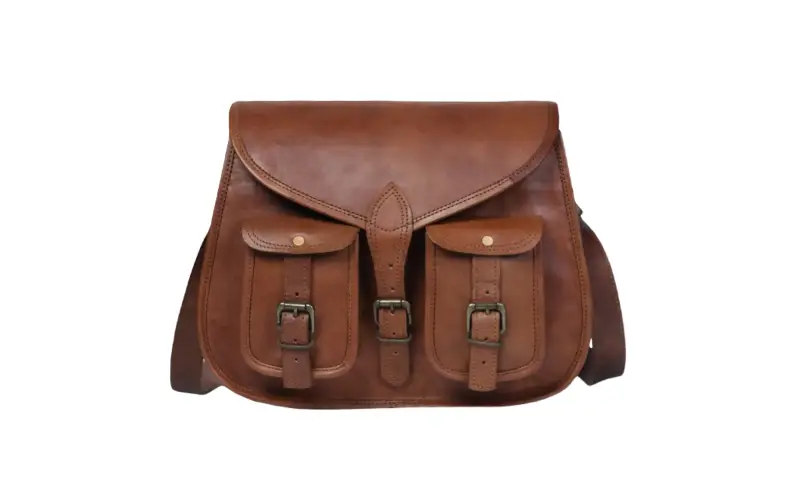
The luxury leather goods industry is undergoing a transformative shift towards sustainability. Many high-end brands are adopting eco-friendly practices in response to increasing consumer awareness and demand for ethically produced products. Sustainable luxury leather goods are crafted using responsibly sourced materials, including leather obtained from certified tanneries that adhere to strict environmental standards. Additionally, these products often incorporate innovative materials such as vegetable-tanned leather, reducing harmful chemicals in the tanning process. Brands are also focusing on transparency in their supply chains, ensuring fair labor practices and minimizing their carbon footprint. The result is a new era of luxury leather goods that combine traditional craftsmanship with modern sustainability principles, offering consumers products that are not only beautiful and durable but also environmentally responsible.
How To Care For Your Luxury Leather Goods?
Proper care and maintenance are essential to preserve the beauty and longevity of luxury leather goods. These items, crafted from high-quality leather, require specific care routines to ensure they remain in pristine condition. Firstly, it is crucial to keep leather goods clean by regularly wiping them with a soft, damp cloth to remove dust and dirt. For deeper cleaning, a leather-specific cleaner can be used, followed by conditioning to keep the leather supple and prevent it from drying out and cracking. It is also important to store leather items properly, away from direct sunlight and heat sources, which can cause fading and damage. Using dust bags and stuffing bags and shoes with tissue paper can help maintain their shape. Additionally, it is advisable to avoid contact with water and harsh chemicals, as these can stain and degrade the leather. By following these care tips, luxury leather goods can retain their exquisite appearance and functionality for years to come.
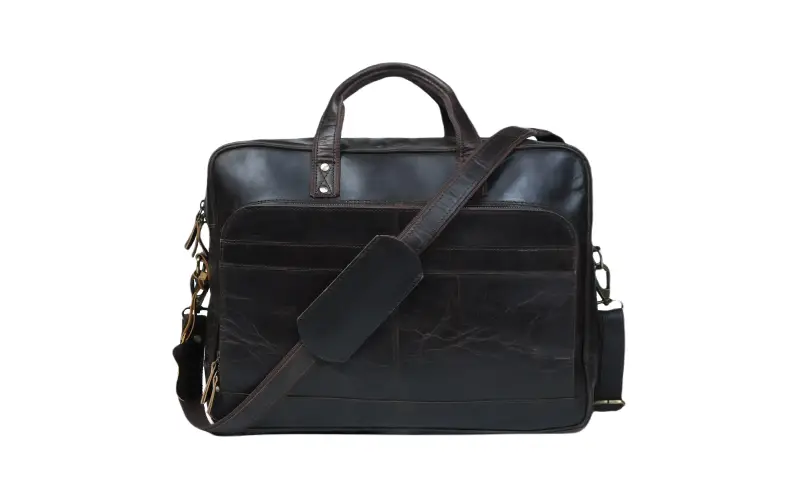
The Best Brands For Luxury Leather Goods
Several brands have established themselves as leaders in the luxury leather goods market, renowned for their exceptional craftsmanship and iconic designs. Hermès, for example, is synonymous with opulence and exclusivity, with its Birkin and Kelly bags being some of the most sought-after items in the world. Louis Vuitton, another prestigious name, is celebrated for its timeless monogrammed leather goods, including handbags, luggage, and accessories. Gucci, known for its bold and innovative designs, offers a wide range of luxury leather products that blend tradition with modernity. Other notable brands include Prada, with its sleek and sophisticated leather goods; Bottega Veneta, recognized for its distinctive intrecciato weave; and Chanel, whose quilted leather bags have become a symbol of elegance and luxury. These brands represent the pinnacle of luxury leather goods, combining superior materials, meticulous craftsmanship, and timeless design to create products that are both functional and fashion-forward.
Handcrafted Perfection: The Art Of Luxury Leather Goods
The creation of luxury leather goods is an art form that involves meticulous attention to detail and skilled craftsmanship. Each piece is often handcrafted by artisans who have honed their skills over years of training and practice. The process begins with the selection of the finest leathers, which are then carefully cut and stitched by hand. Artisans use traditional techniques, such as hand-stitching and edge-painting, to ensure the highest quality and durability. The finishing touches, such as hardware and lining, are also applied with precision and care. This dedication to craftsmanship results in unique, one-of-a-kind pieces that exemplify the art of luxury leather goods. Handcrafted leather items not only offer superior quality and longevity but also a sense of individuality and exclusivity, as no two pieces are exactly alike. This artistry and attention to detail are what set luxury leather goods apart, making them treasured items that stand the test of time.
The History Of Luxury Leather Goods
The history of luxury leather goods dates back centuries, with leather being one of the earliest materials used by humans for clothing and accessories. Ancient civilizations, such as the Egyptians and Romans, recognized the durability and versatility of leather, using it to create footwear, bags, and other essential items. During the Middle Ages, leatherworking became a highly respected craft, with skilled artisans producing finely crafted leather goods for the nobility and elite. The Renaissance period saw further advancements in leatherworking techniques, leading to the creation of more intricate and decorative pieces. In the modern era, the industrial revolution brought about mass production, but luxury leather goods continued to be crafted by hand, maintaining their status as symbols of quality and craftsmanship. Today, the heritage of luxury leather goods is preserved by esteemed brands that uphold traditional methods while incorporating contemporary designs. The history of these items is a testament to their enduring appeal and the timeless artistry of leather craftsmanship.
Luxury Leather Goods: A Status Symbol
Luxury leather goods have long been regarded as status symbols, representing wealth, sophistication, and taste. Owning a high-end leather item, such as a designer handbag or a bespoke leather jacket, is often seen as a marker of success and social standing. These items are not only functional and stylish but also carry a sense of exclusivity and prestige. The meticulous craftsmanship, superior materials, and iconic designs associated with luxury leather goods make them highly desirable and often unattainable for many, further enhancing their status. Celebrities and influencers frequently showcase these items, reinforcing their association with luxury and glamour. Moreover, limited edition releases and collaborations with renowned designers add to the allure and exclusivity of luxury leather goods. As a result, owning such items is not just about fashion or functionality but also about making a statement and expressing one’s individuality and status.
Conclusion
Luxury leather goods epitomize the perfect blend of artistry, quality, and exclusivity. From the sustainable practices shaping the future of the industry to the meticulous care required to preserve their beauty, these items are much more than mere accessories. Esteemed brands continue to push the boundaries of design and craftsmanship, creating timeless pieces that serve as status symbols and treasured possessions. The rich history and tradition of luxury leather goods are a testament to their enduring appeal and the unparalleled skill of the artisans who create them. As consumers continue to seek out products that reflect their values and aspirations, the demand for luxury leather goods remains strong, ensuring their place as a cornerstone of high fashion and sophisticated style.
About Author