

Industrial waste is a major concern for businesses and industries across the world. It consists of materials and products that are used in the manufacturing process and have become unusable. The industrial waste can include hazardous materials, such as heavy metals, organic pollutants, and other pollutants. The industrial waste can also be generated from the manufacturing process, including raw materials and other production byproducts. Minimizing industrial waste through recycling is a key strategy for businesses and industries to reduce their environmental impact while saving money.
The Benefits Of Industrial Waste Recycling
Industrial waste recycling can provide many benefits to businesses and industries. It reduces the amount of waste that has to be disposed of, which lowers disposal costs. It also reduces the need for new raw materials, which can help lower production costs. Furthermore, recycling industrial waste can help reduce emissions of pollutants into the environment.
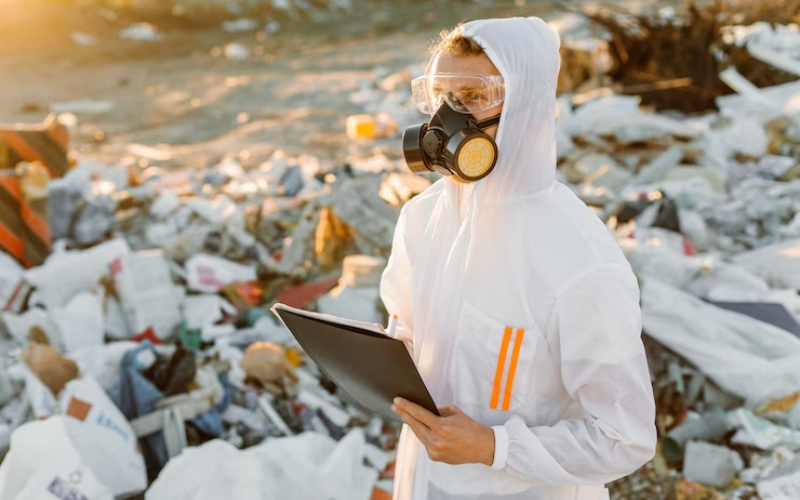
Understanding Industrial Waste Streams
In order to develop an effective industrial waste recycling program, it is important to understand the types of waste materials that are generated from the manufacturing process. Different types of materials require different methods of recycling. For example, hazardous materials may need to be treated before they can be recycled, while other materials may be able to be recycled directly. Understanding the different waste streams is essential for developing an effective industrial waste recycling program.
Developing An Industrial Waste Recycling Strategy
Once the types of industrial waste materials have been identified, it is important to develop an industrial waste recycling strategy. This should include identifying potential recycling options, such as local recycling centers or Material Recovery Facilities (MRFs). It should also include a plan for the collection and transport of waste materials to the recycling centers.
Implementing An Industrial Waste Recycling Program
Once the industrial waste recycling strategy has been developed, it is important to implement the program. This includes setting up collection systems for the waste materials, as well as training employees on the proper handling and disposal of the materials. It is also important to monitor the program to ensure that it is working effectively.
Choosing Appropriate Recycling Facilities
When choosing an appropriate recycling facility, it is important to consider the types of materials that the facility accepts, the location and accessibility of the facility, the availability of staff and resources, and the level of security provided. For example, if a facility only accepts paper and plastic, it might not be suitable for recycling other materials, such as electronics or hazardous waste. Additionally, the location of the facility should be convenient for people to access, and it should have adequate staffing and resources to ensure that the recycling process is handled properly. Lastly, the facility should provide appropriate security measures to protect recycled materials from theft.
Improving Efficiency Through Waste Audits
In order to improve the efficiency of the industrial waste recycling program, it is important to conduct regular waste audits. This involves collecting and analyzing data on the types of materials that are being recycled. As well as the number of materials that are being recycled. This data can be used to identify areas where the program can be made more efficient.
Industrial waste recycling can also help minimize the environmental impact of the waste materials. Recycling can reduce the number of hazardous materials that are released into the environment, as well as reduce energy and water consumption. It can also reduce the number of raw materials that are extracted from the environment.
Evaluating The Effectiveness Of Industrial Waste Recycling Programs
It is important to regularly evaluate the effectiveness of the industrial waste recycling program. This should include tracking the number of materials that are being recycled, as well as the cost savings that are being achieved. It is also important to evaluate the environmental impact of the program, such as the reduction in emissions of pollutants.
Conclusion
Industrial waste recycling can provide many benefits to businesses and industries, including reduced disposal costs, lower production costs, and fewer emissions of pollutants into the environment. In order to effectively recycle industrial waste. It is important to understand the different types of materials that are generated, develop an industrial waste recycling strategy, implement the program, choose appropriate recycling facilities, improve efficiency through waste audits, minimize the environmental impact of the waste, and evaluate the effectiveness of the program. By implementing an effective industrial waste recycling program, businesses and industries can significantly reduce their environmental impact, while saving money.
About Author


